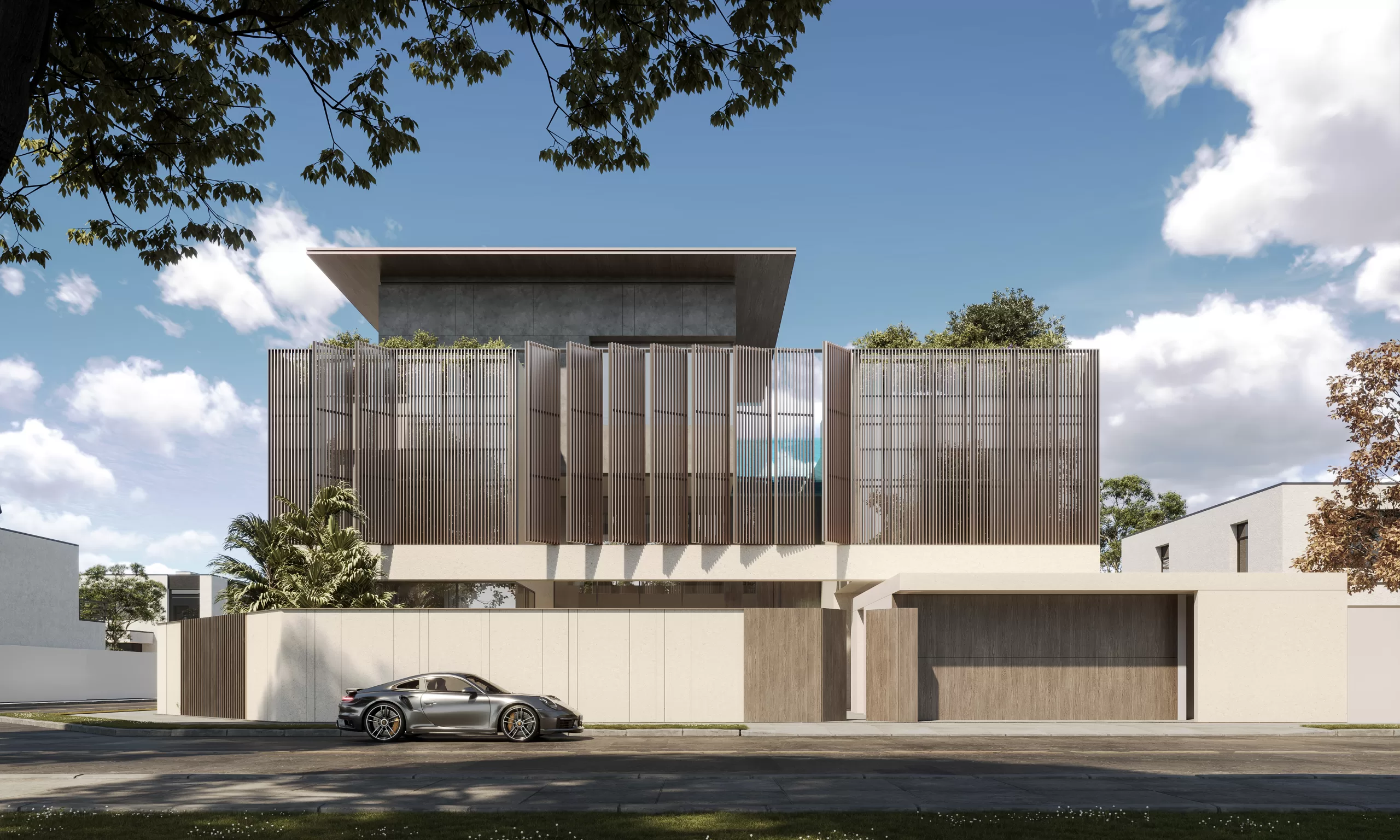
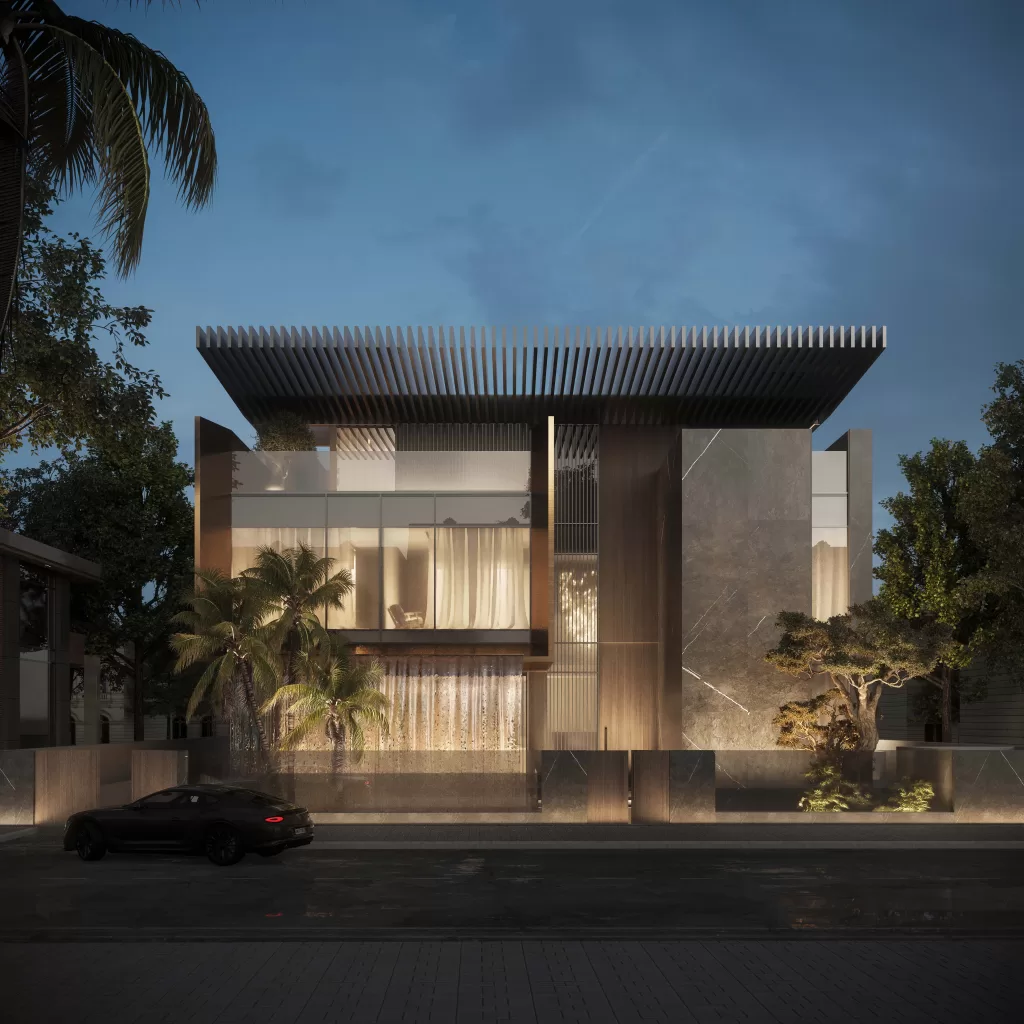
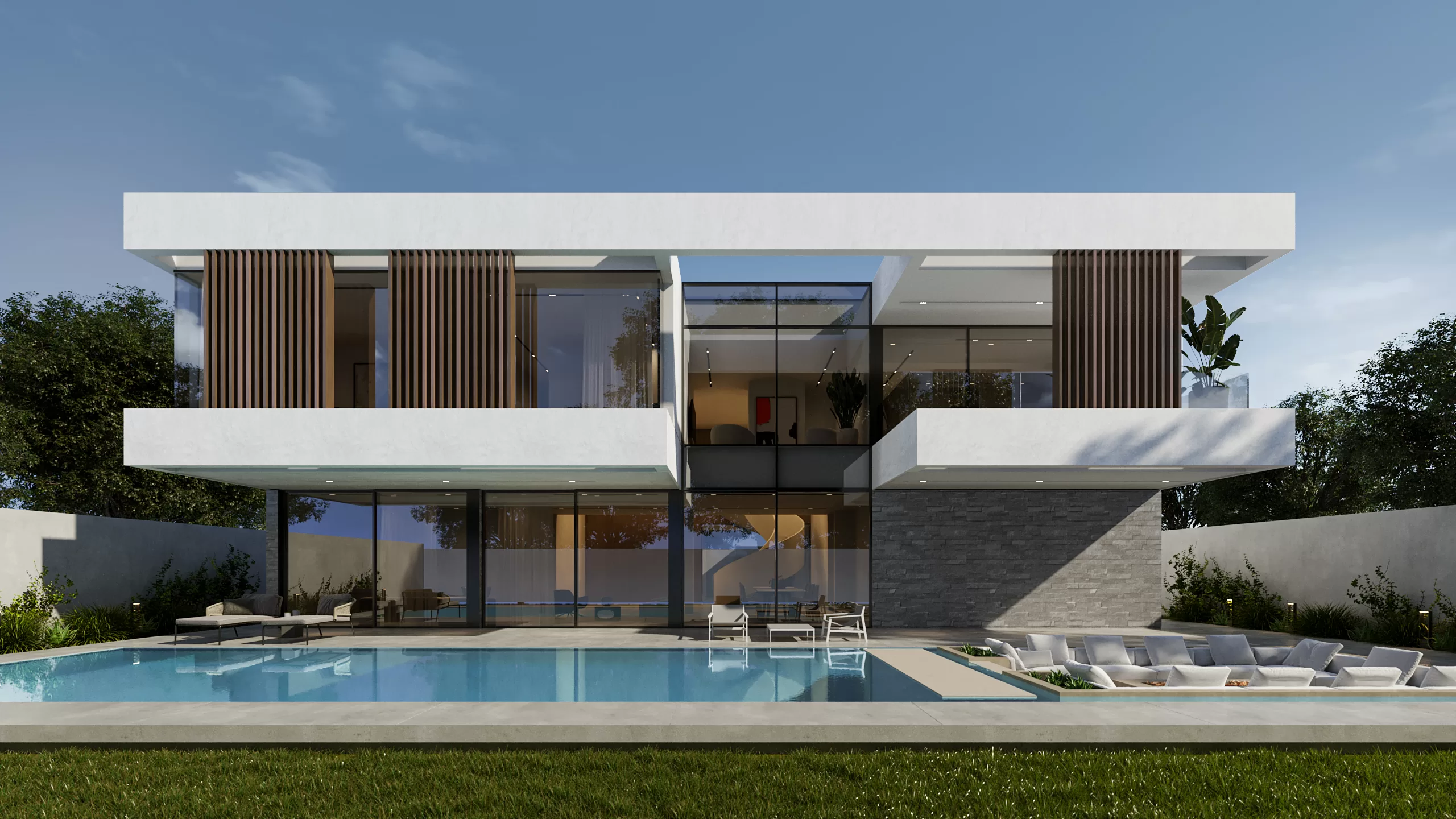
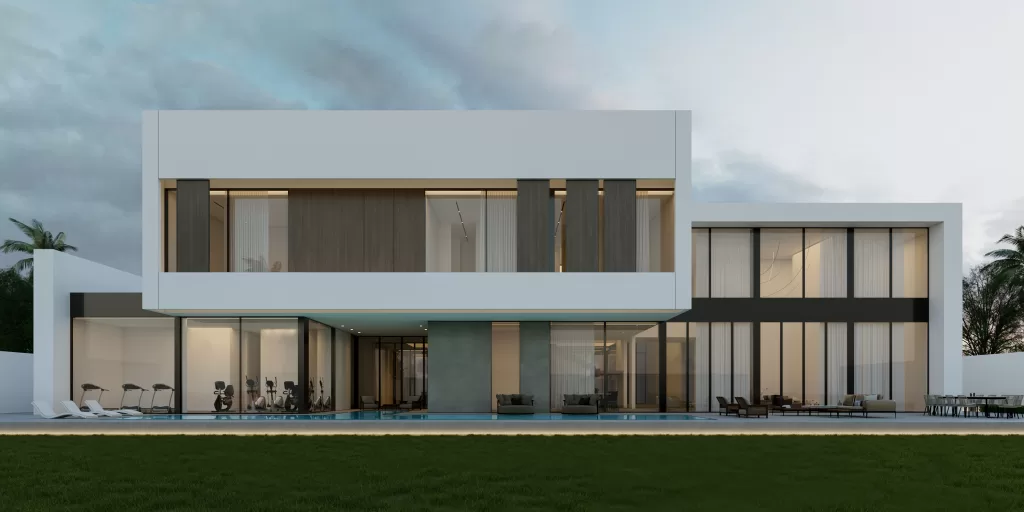
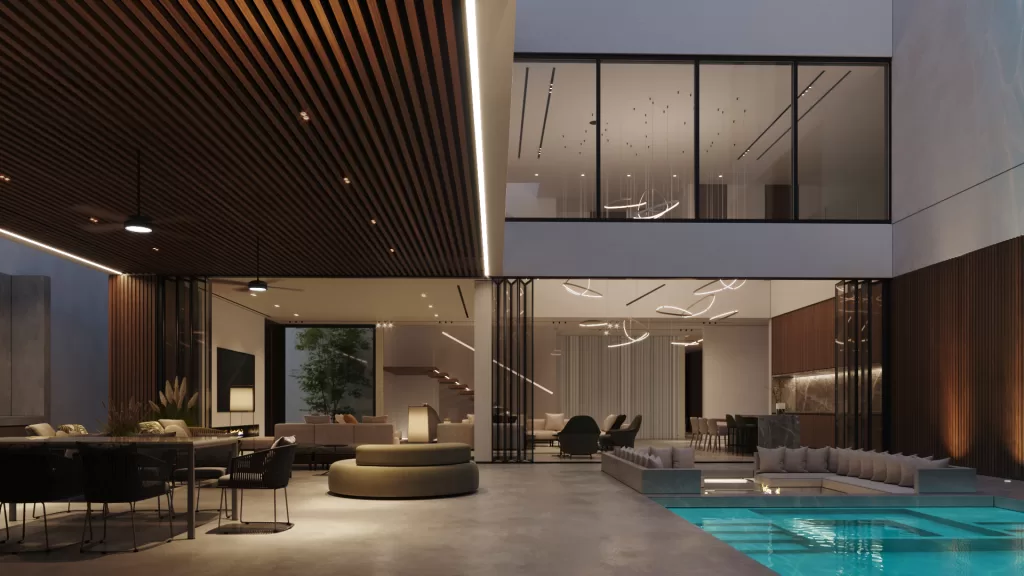
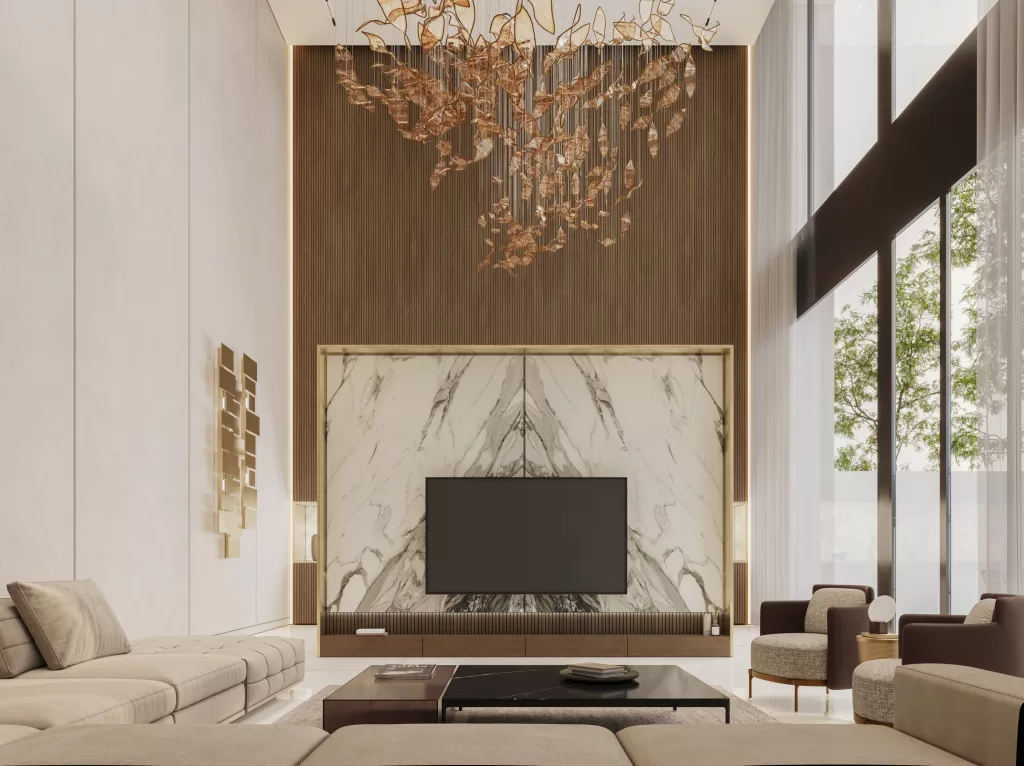
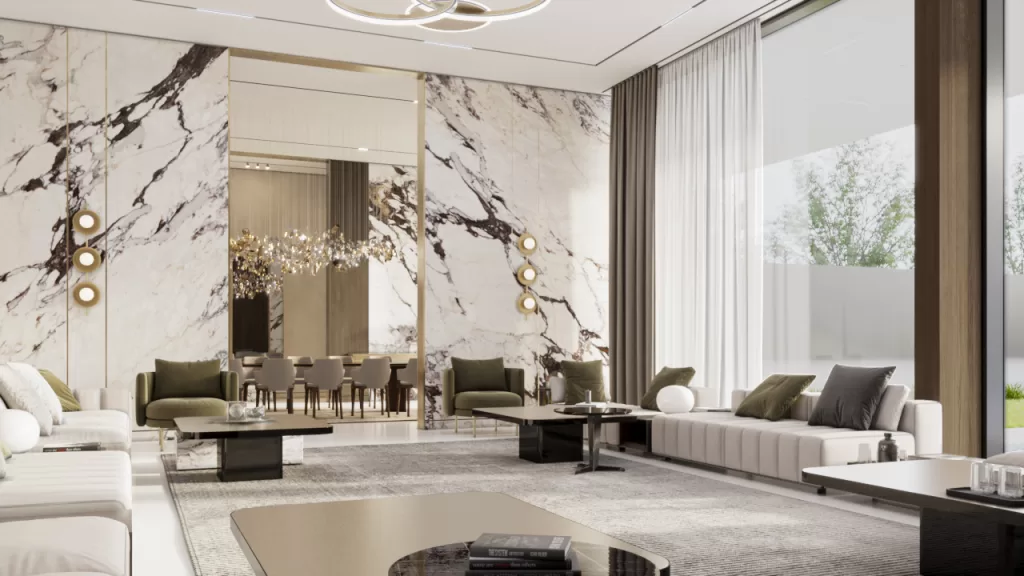
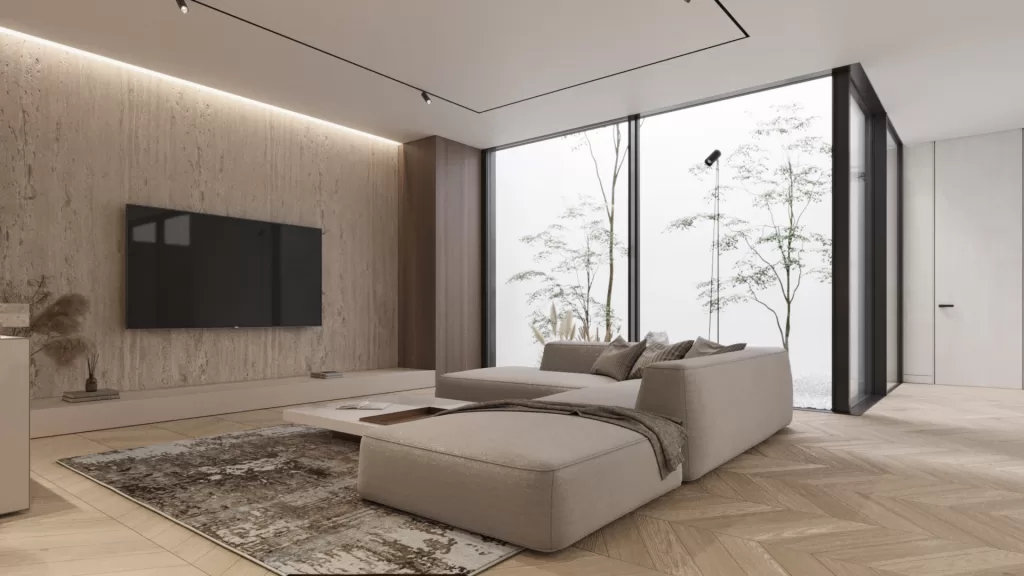
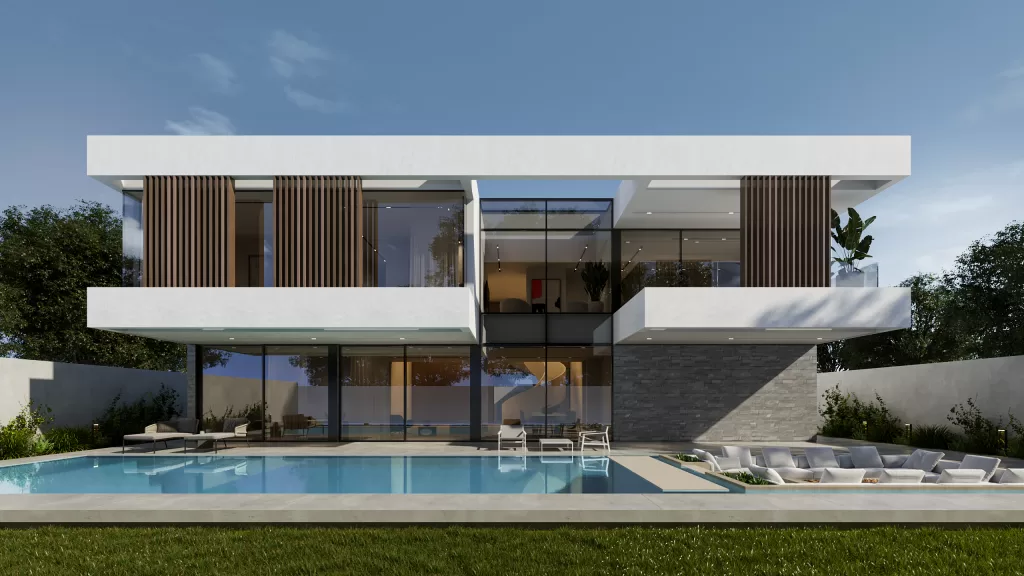
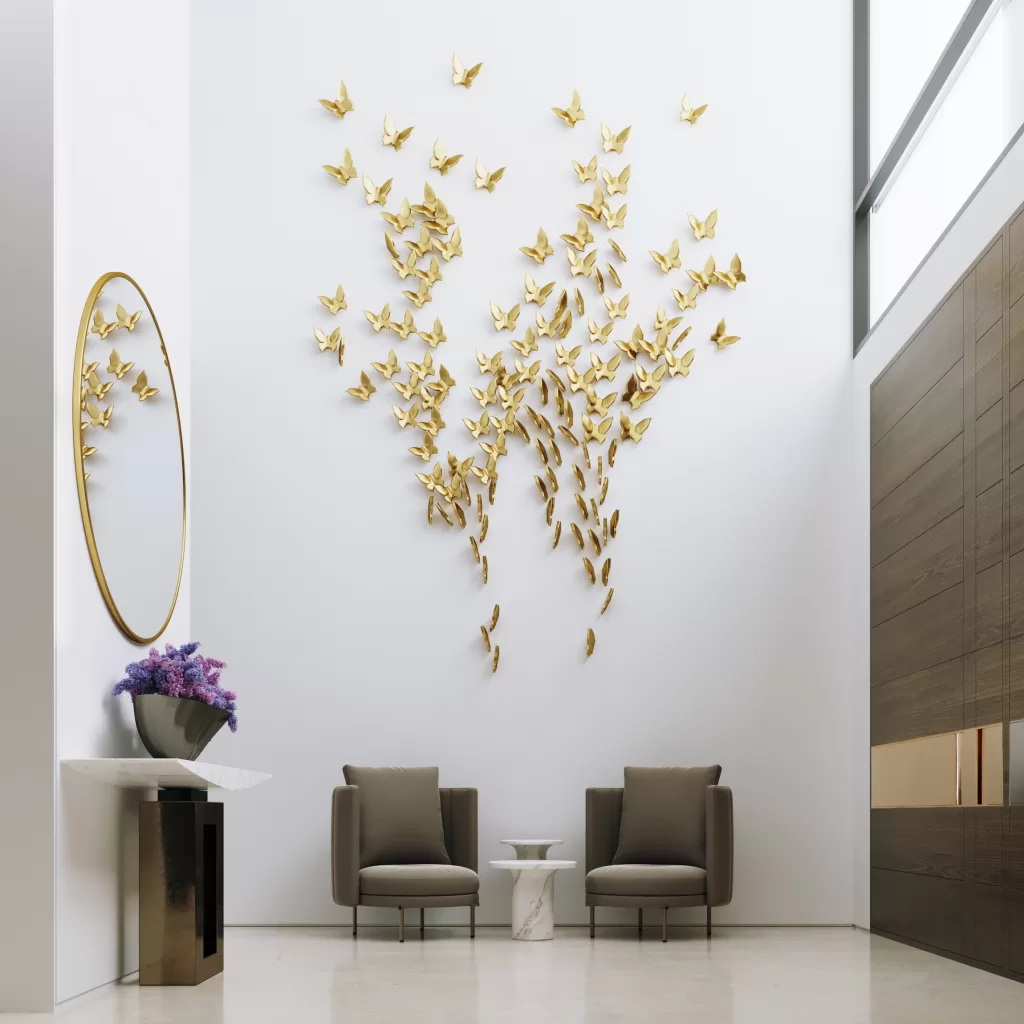
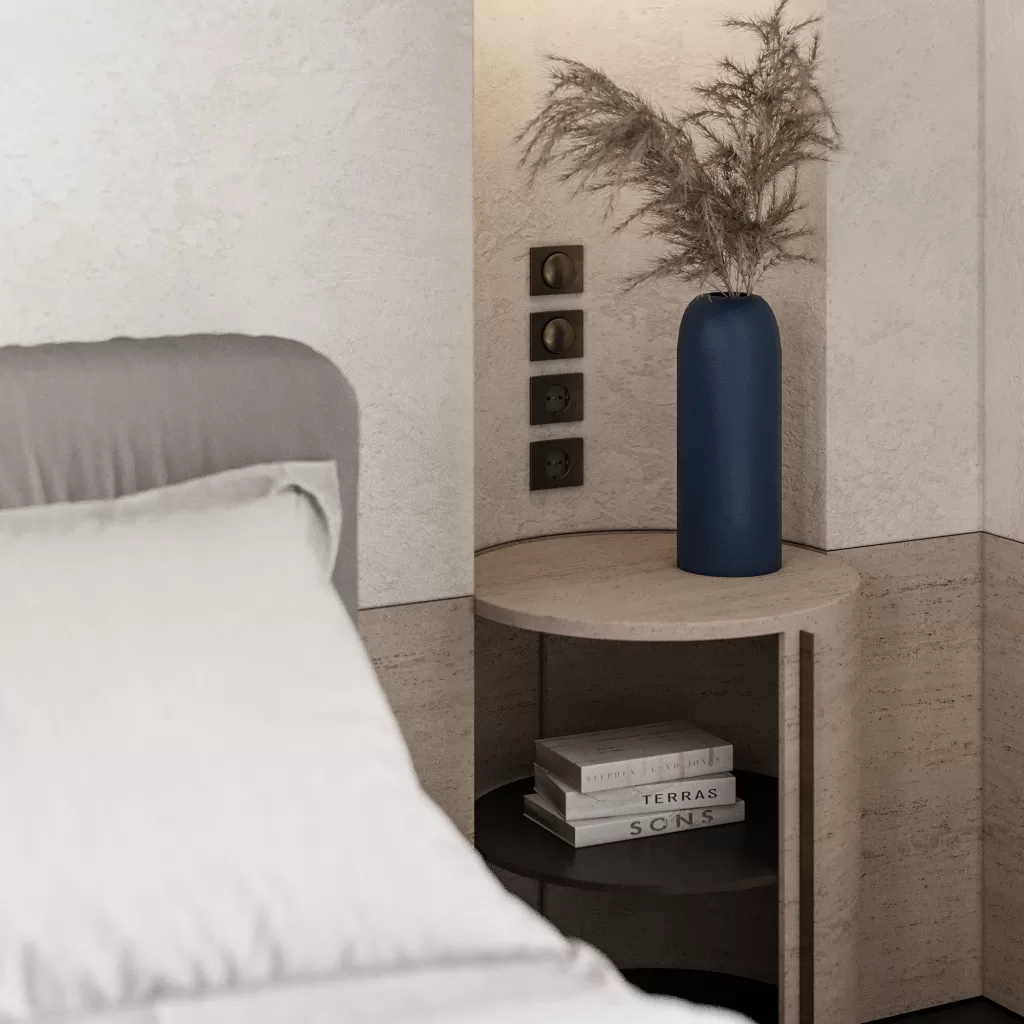
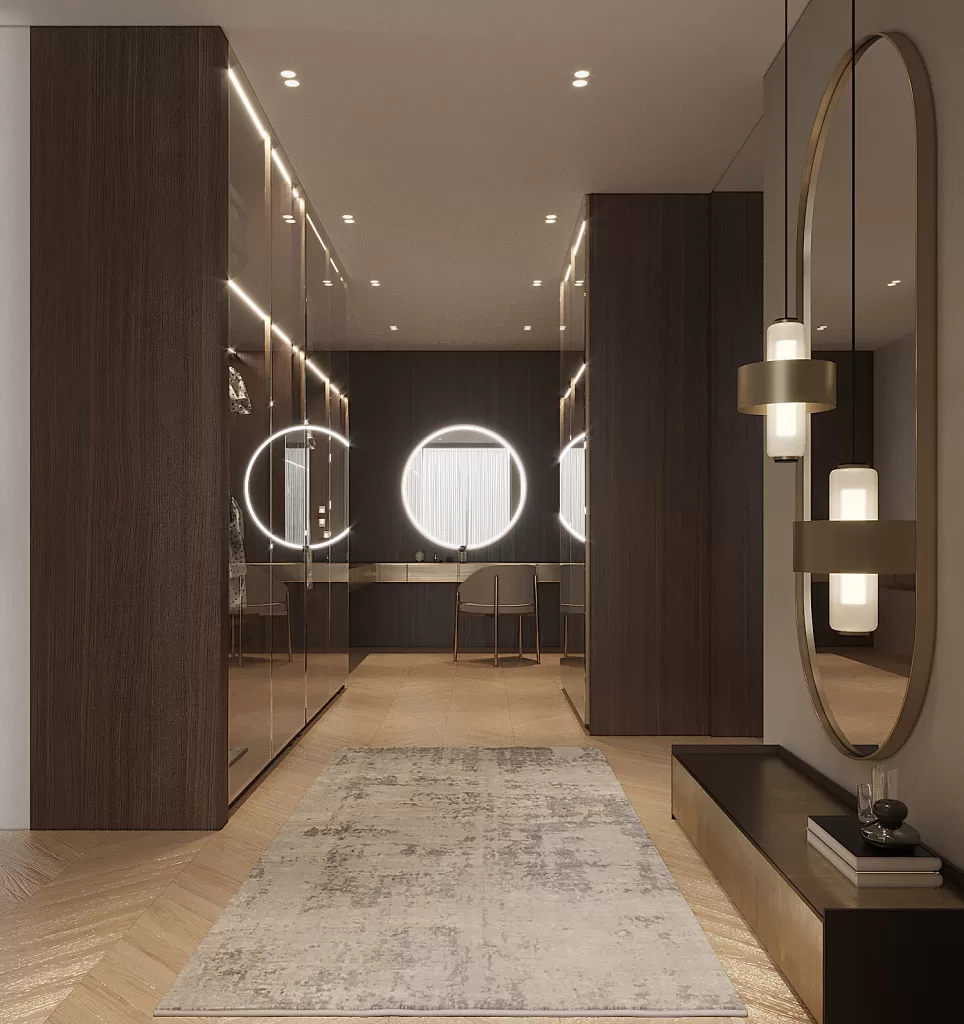
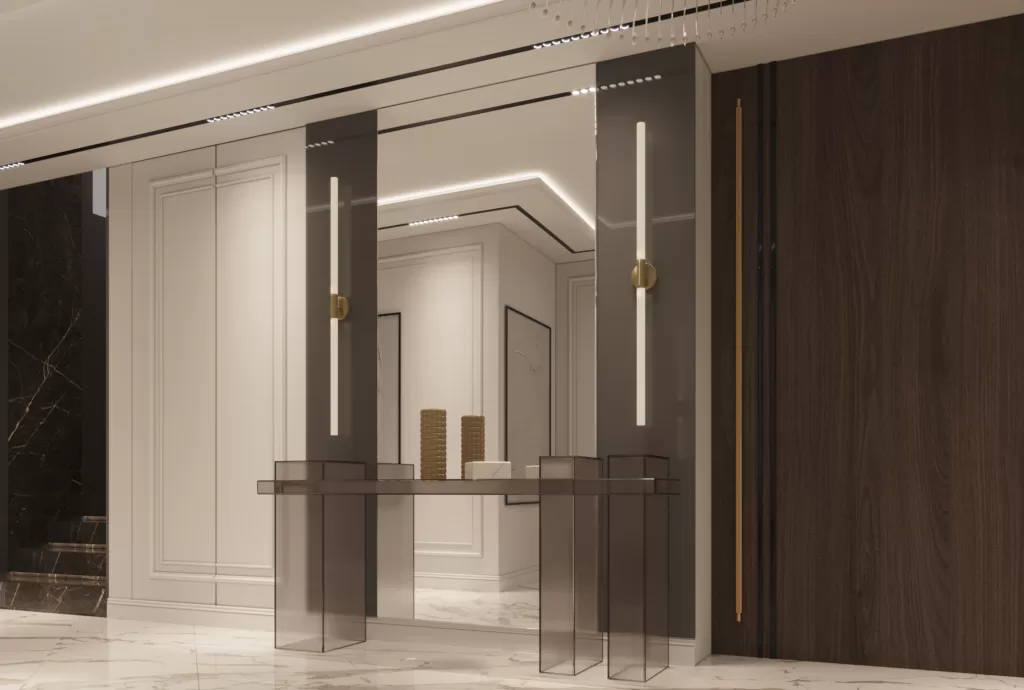
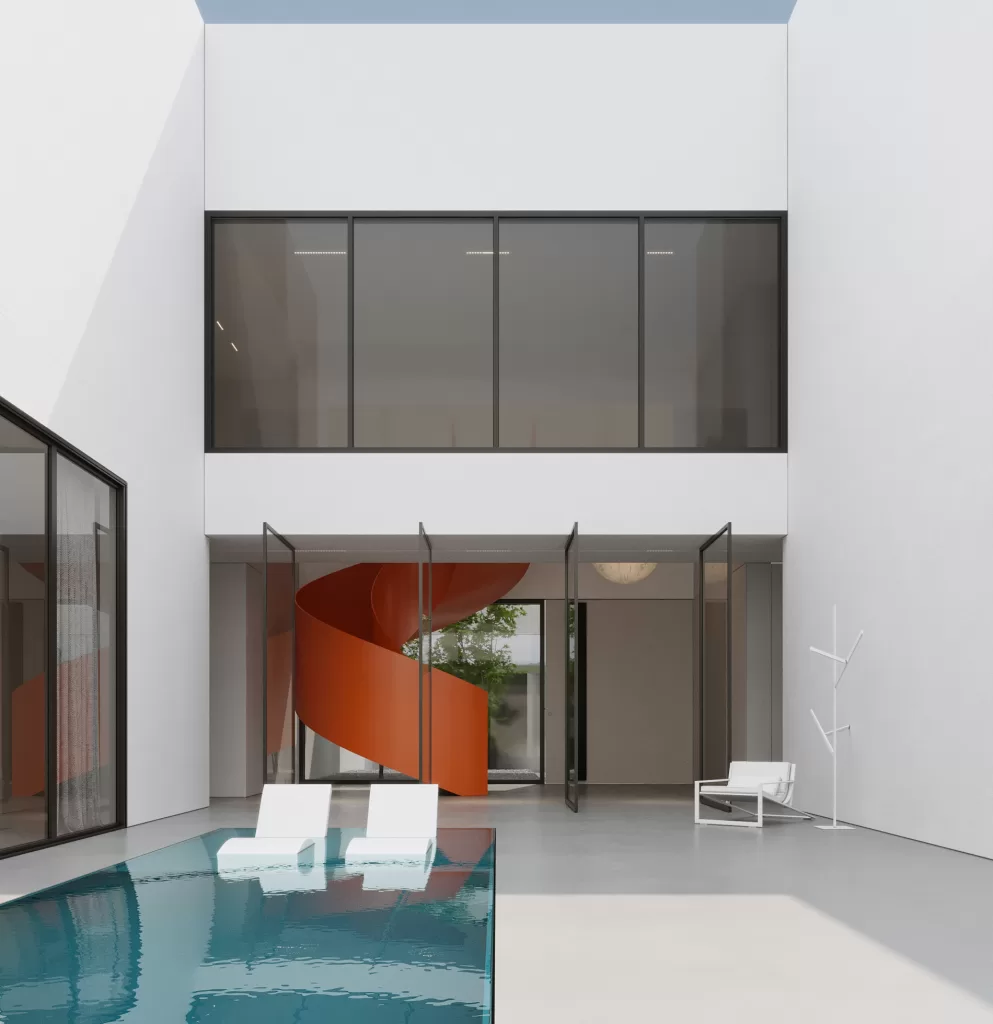
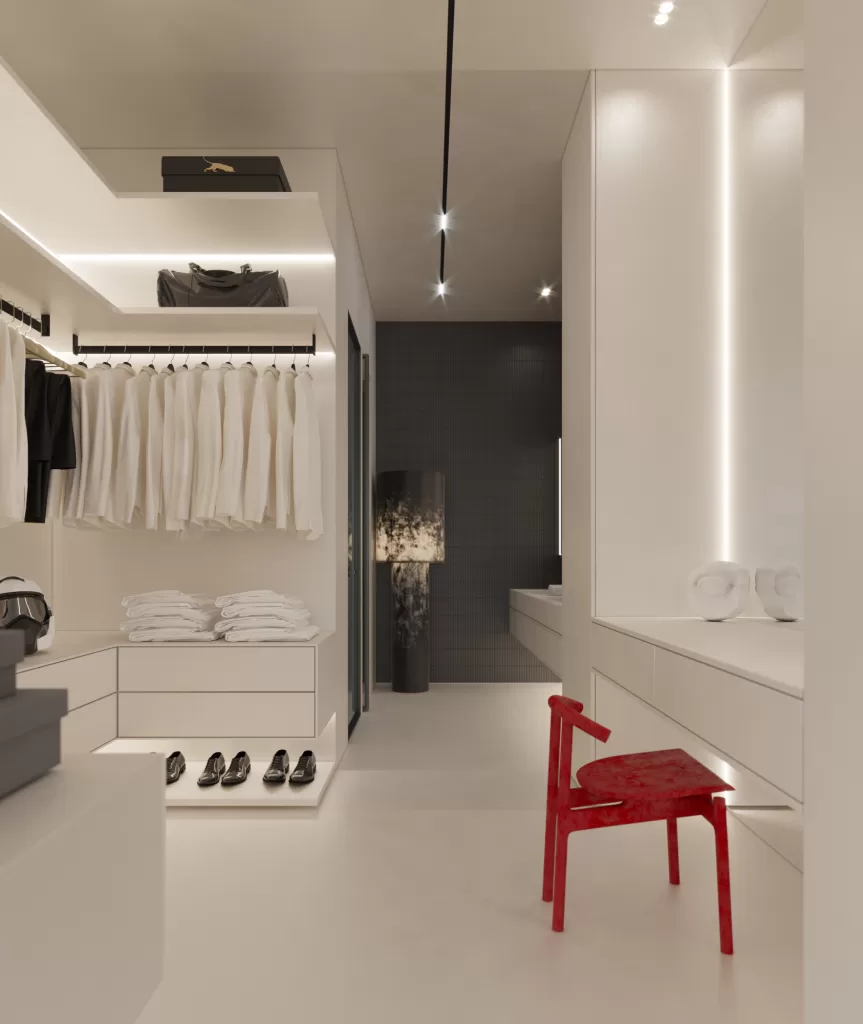
When it comes to luxury villa design, true excellence goes beyond aesthetics.
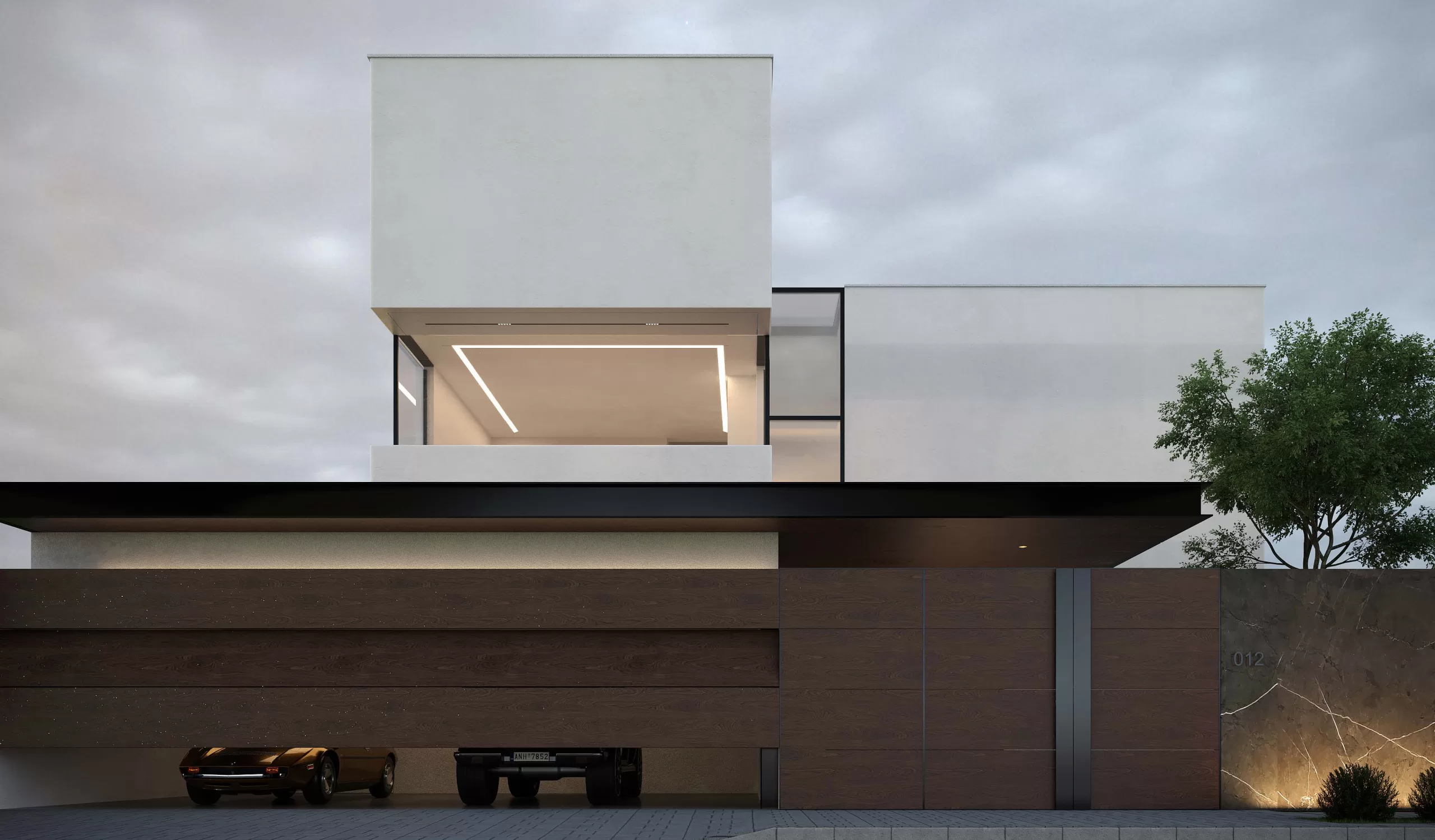
At MEMAR Architecture, we believe that the most extraordinary villas are not just beautiful; they are deeply personal, thoughtfully crafted, and designed around the way you live.
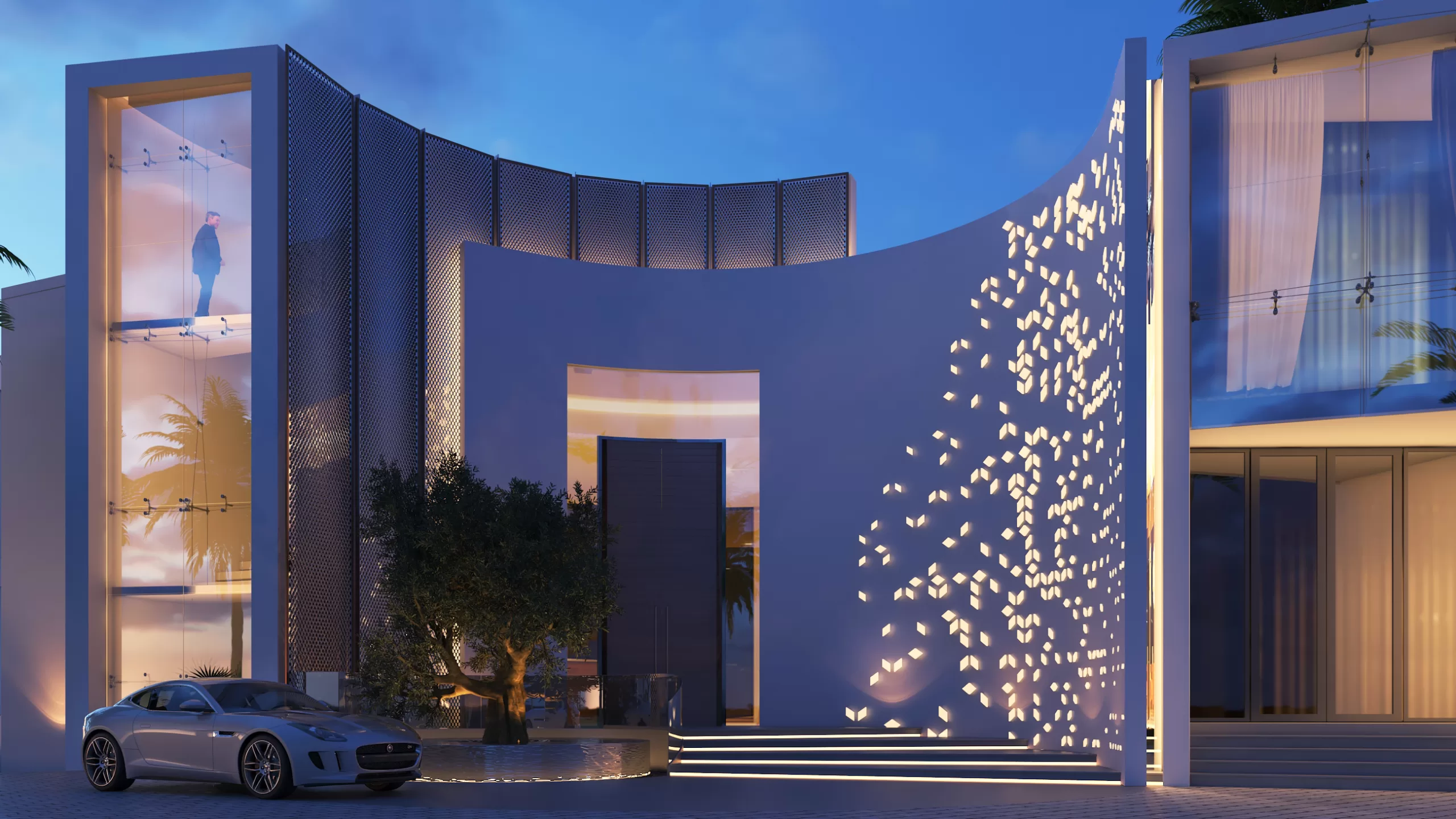
From architectural innovation to sustainable material selection, a truly exceptional villa creates a holistic living experience, where design meets lifestyle and where elegance meets function.
1. Purposeful Spatial Flow
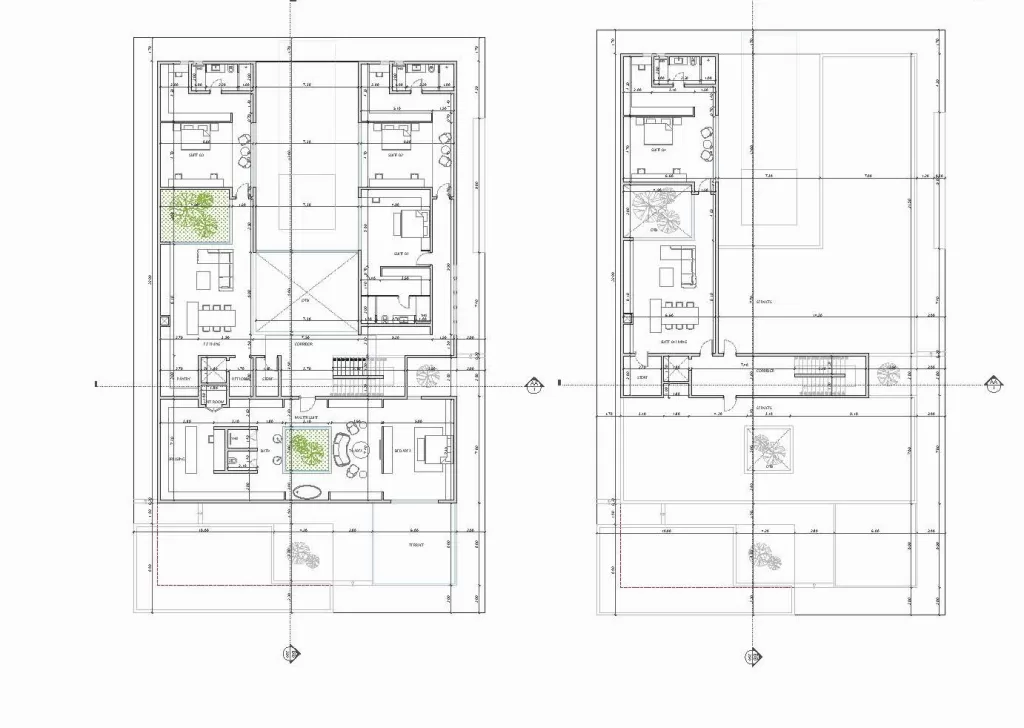
Exceptional villa design begins with purposeful space planning.
At MEMAR, we tailor every layout based on how our clients live, ensuring intuitive movement, functional zoning, and natural transitions between public and private spaces.
A well-designed luxury home should look impressive; it should feel effortless to live in.
2. Seamless Indoor-Outdoor Living
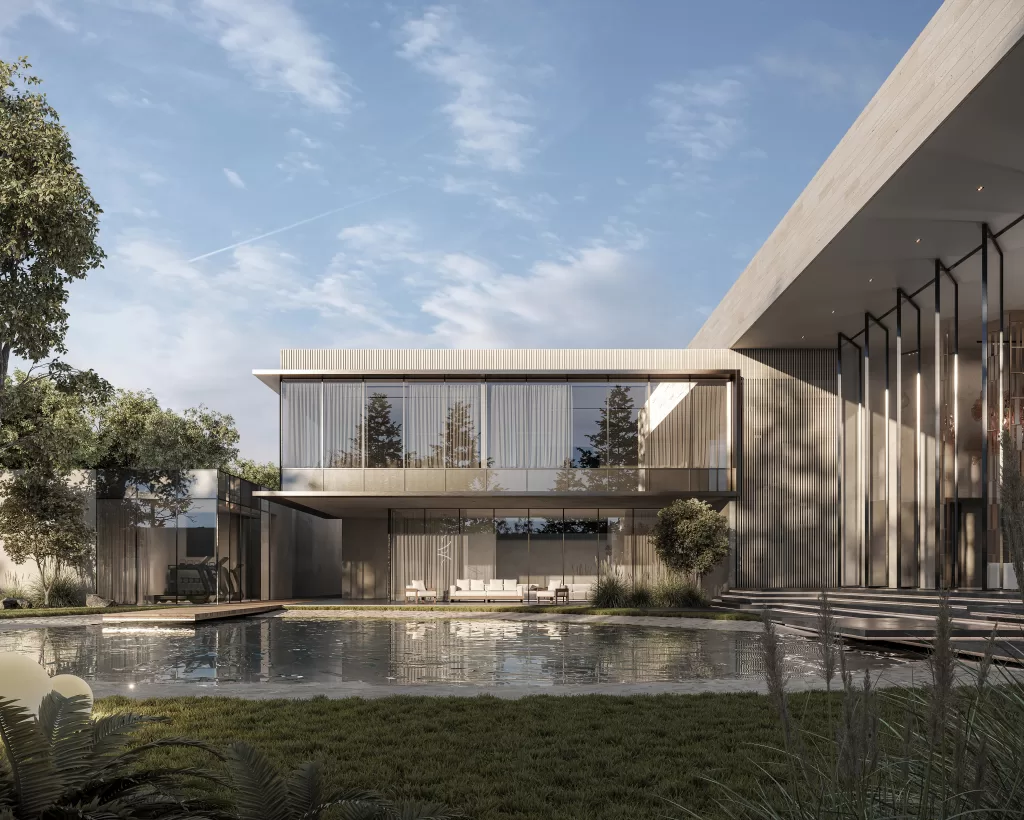
In the UAE’s climate and cultural context, the boundary between inside and outside is essential.
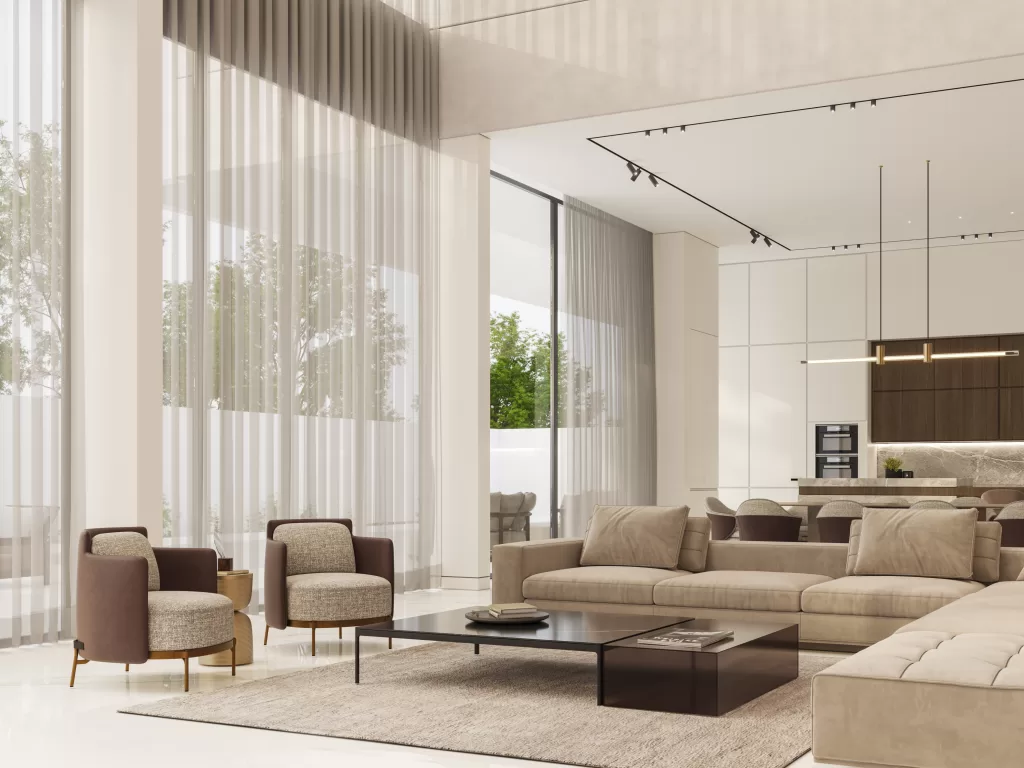
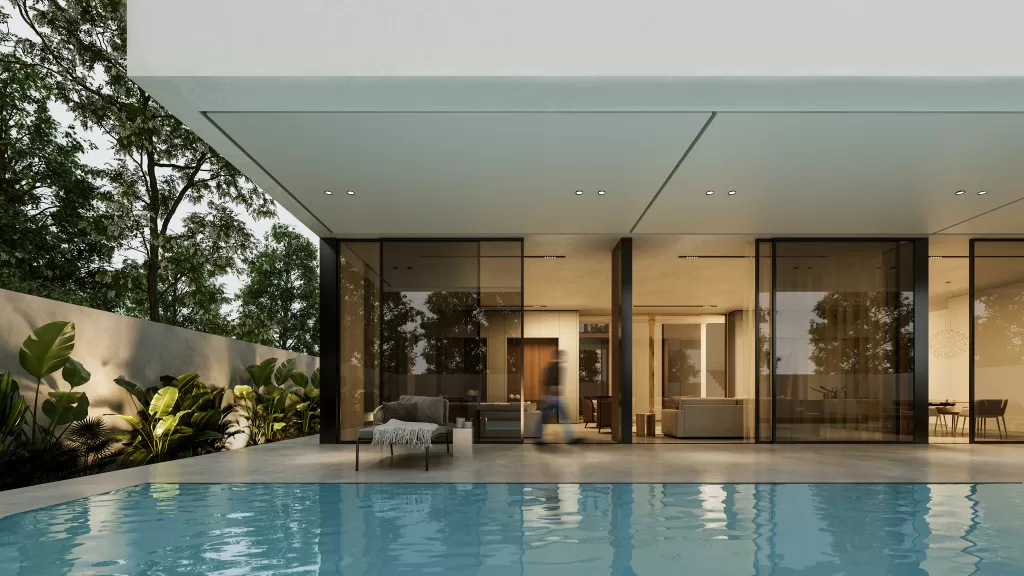
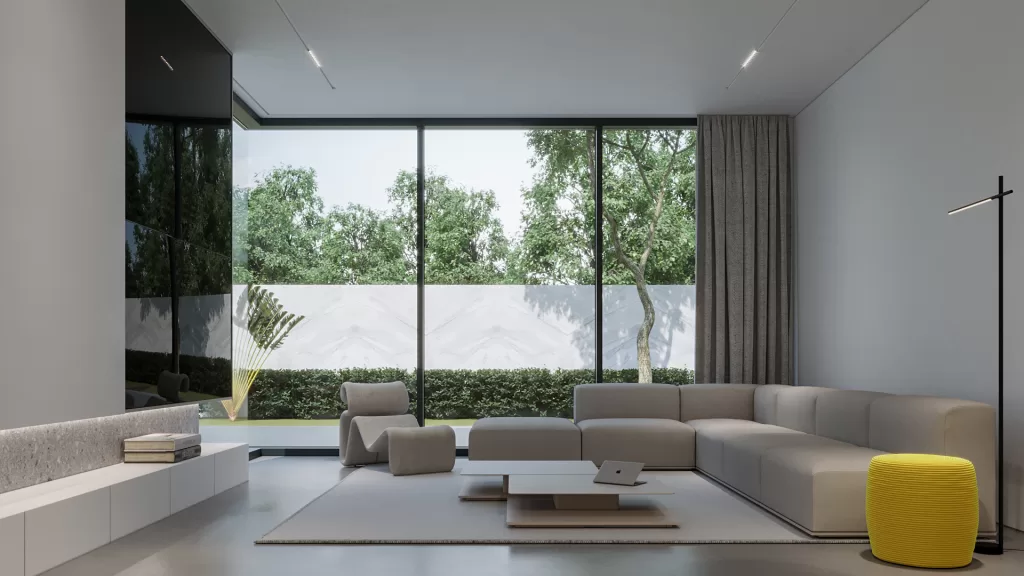
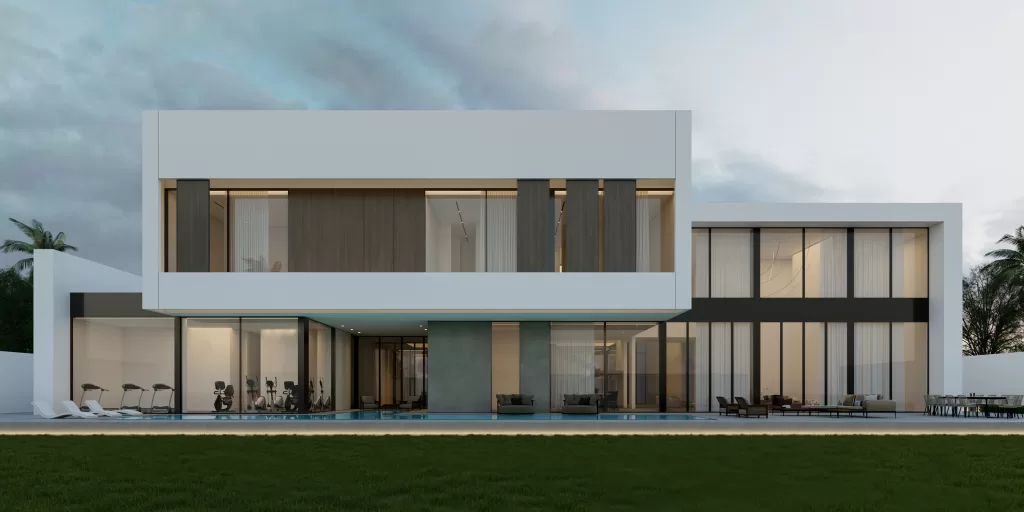
We design villas with expansive glass facades, shaded patios, and integrated landscape features that bring the outdoors in, offering views, ventilation, and a stronger connection to nature.
3. Sustainable Luxury Architecture
Sustainability is not a trend; it’s a requirement.
At MEMAR Architecture, our villas incorporate energy-efficient solutions, solar-conscious orientation, and environmentally responsible materials, creating homes that are as intelligent as they are beautiful.
A sustainable villa is a long-term investment in both your lifestyle and the planet.
4. Timeless Materials and Finishes
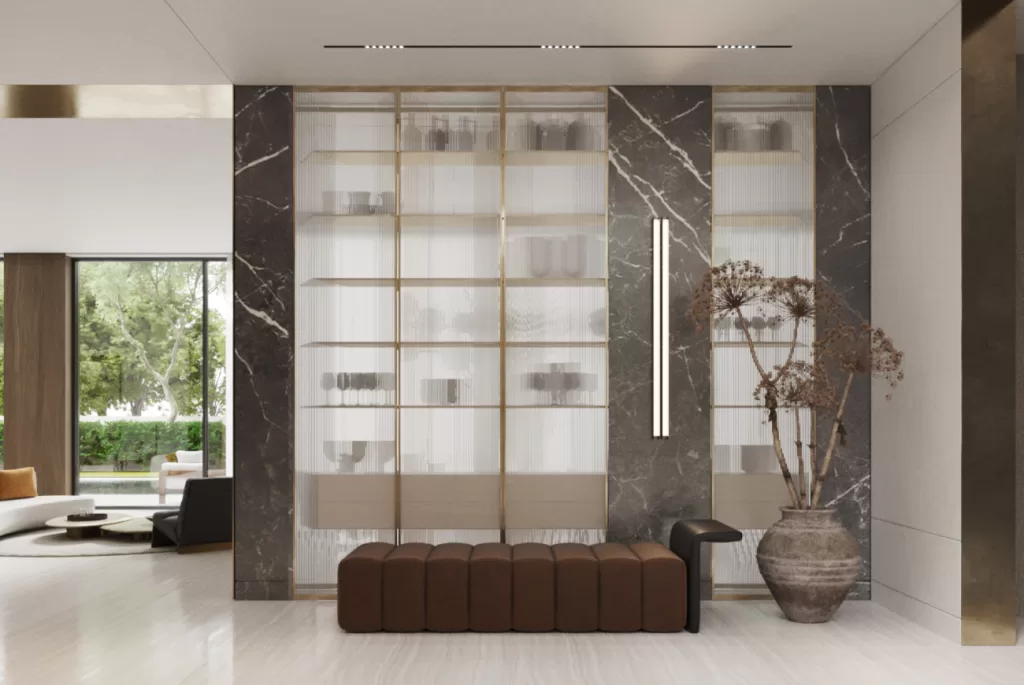
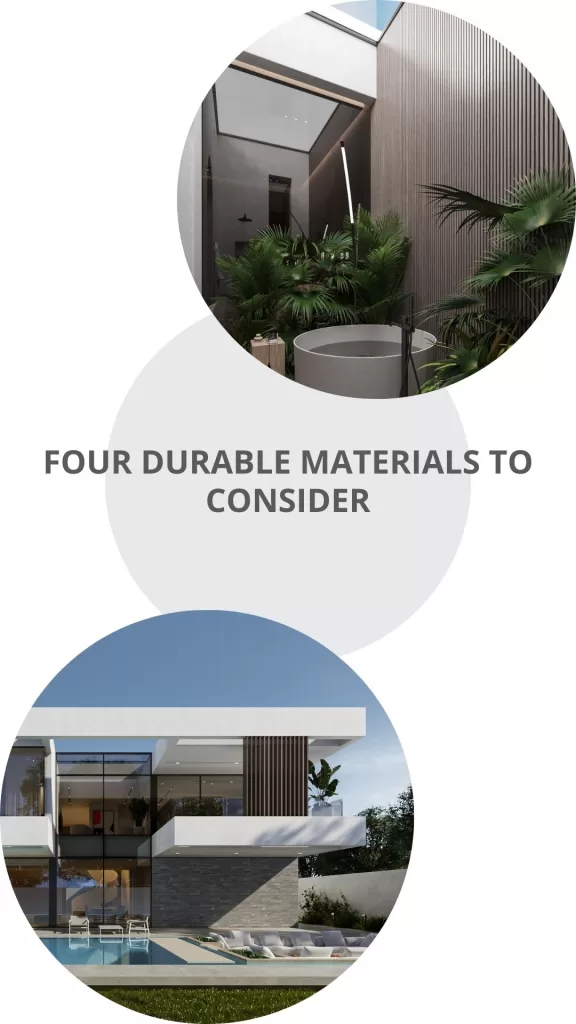
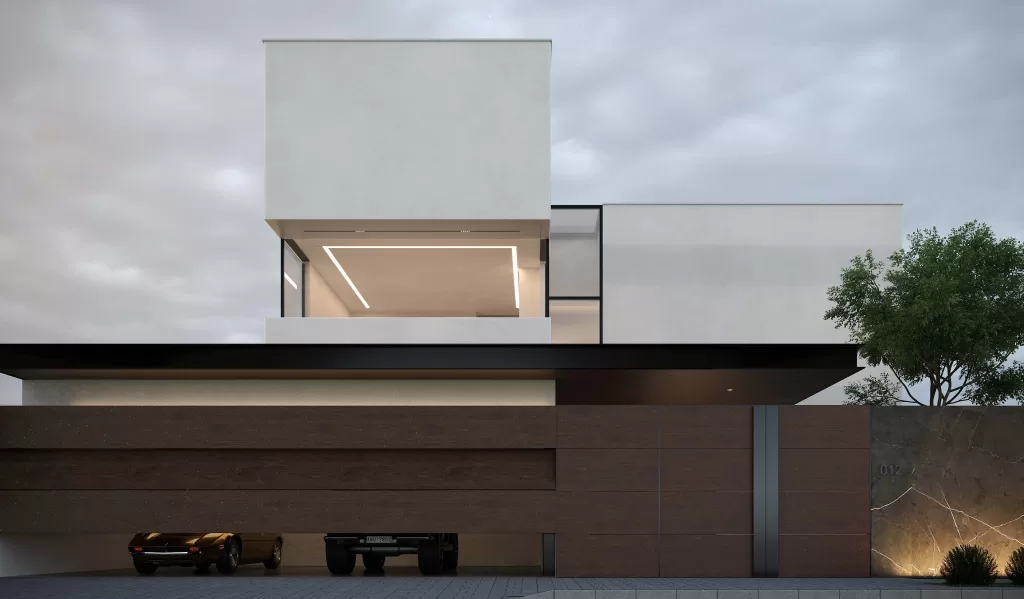
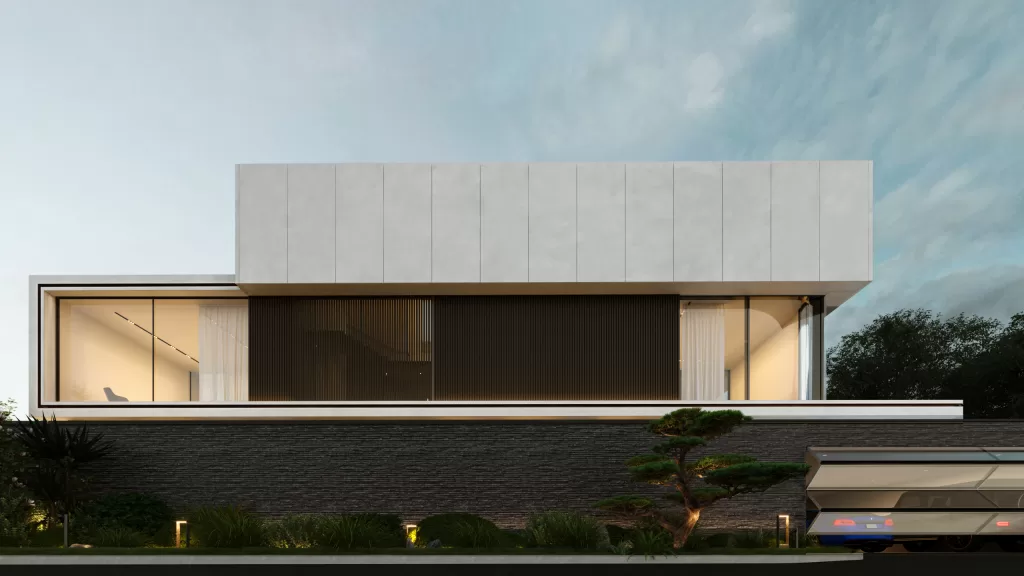
Our material philosophy centers on timelessness. We select high-quality stone, architectural wood, glass, and brass elements that reflect natural beauty and endure in both function and style.
The textures, tones, and contrasts are curated to elevate every surface and detail.
A property value is the worth of the benefits of the property that indicates the meeting point of how much the buyer is willing to pay and the amount the seller is willing to accept. Most of the time, it is determined by a professional surveyor who determines the benefits of the property that are realized over a long period.
The greatest factors that affect the property value are:
Location: It is one of the most important factors in determining a home’s value.
Size of the property: Usually, the bigger the size of the property, the higher its value.
Age of the building: Newer buildings have a higher value than older buildings.
Construction quality, Finishes, and Features: Design and construction materials play a big role in determining the value of the property. Well-chosen materials, sustainable buildings, and a design that boosts physical and mental health … All are factors that boost property value.
From this, we are going to mention in this article some design tips that increase your home’s value, which is one of the most important factors in determining a property cost.
4 Design Tips that increase the value of any residential property:
1. Shape & Layout:
The design of the home and the layout plays a very important role in determining the price. The design should be uncomplexed, not complicated with too many corners and unnecessary hallways, and the space is used in the right way. Wasted spaces lead to an increase in price with less functionality when determining its cost per square foot. There are properties with small spaces that feel bigger and brighter than bigger and more expensive ones with bad design.
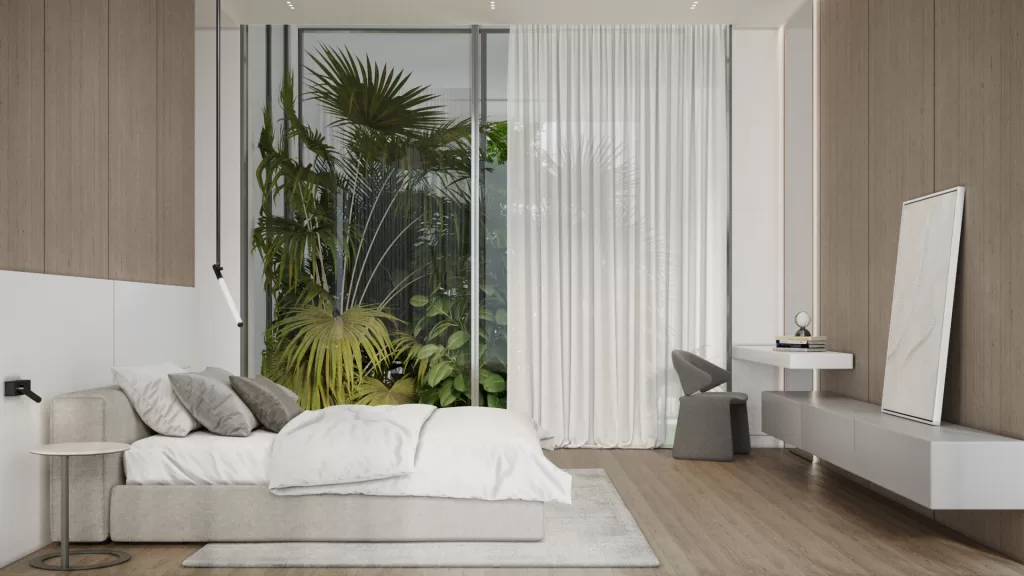
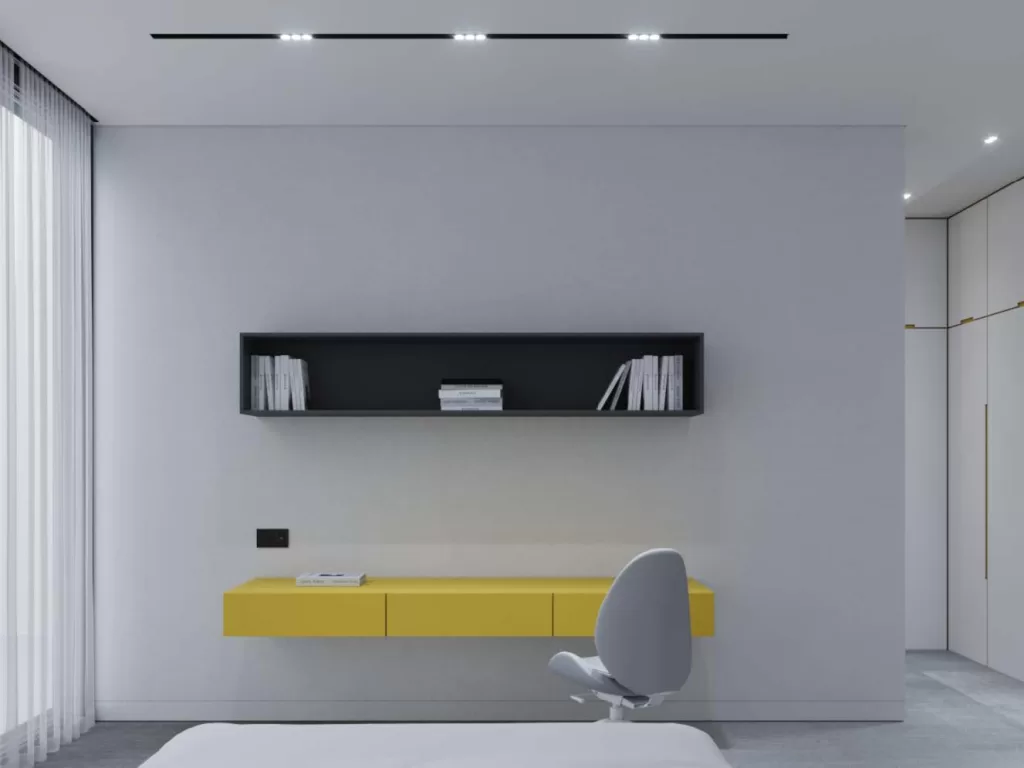
Moreover, the layout should adhere to a safe and healthy lifestyle, like considering a well-studied bed placement to ensure the natural light enters it, and avoid impeding walkways and exists for emergency cases,
2. Finishes and features:
When designing a house or a villa, it is essential to choose the right materials that are strong, timeless, benefit the residents’ mental and physical health, and are aesthetic as well. Choosing high-quality and timeless materials helps in avoiding the need for renovation in the future. Thus, less cost over time. For example, engineered wood floors are a strong, durable, and affordable material that can last over 100 years and increase up to 2.5 % of the home value. Another example is marble material. Although it has a higher price than other materials, it will pay off as it lasts decades and gives a more luxurious and bright mood to the place. Features such as extra bathrooms, garages, beautiful landscapes, and well-used basements can all have an impact on property value.
3. Lighting:
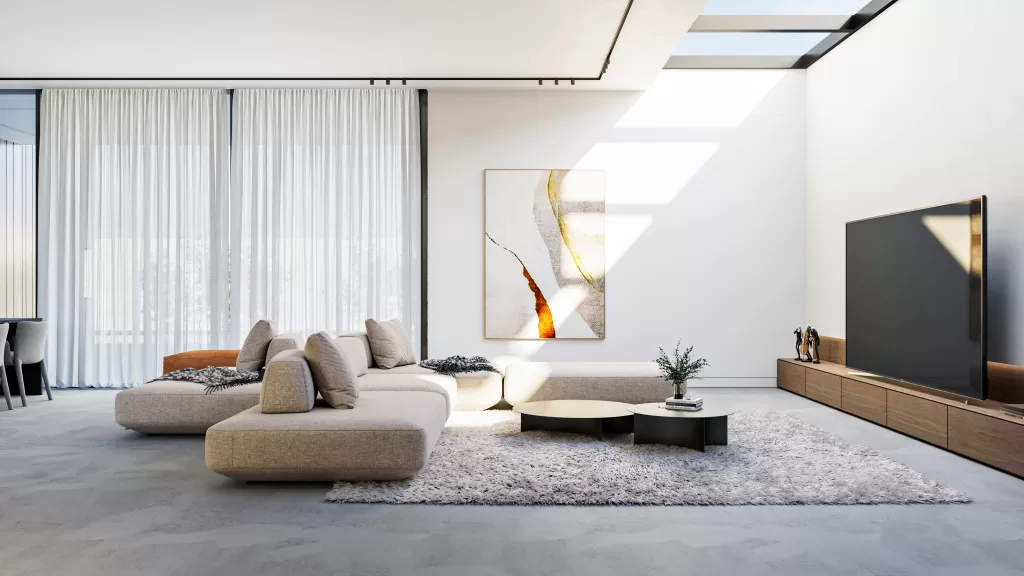
Considering a bright home can unbelievably boost the value, Since everyone is aware of the benefits of the bright space in enhancing the physical and mental health of the residents. The demand for this type of residential property is always increasing, especially the home where natural light enters it widely. You can achieve this by considering a glass door between the ground floor and landscape in case of designing a villa. Otherwise, floor-to-ceiling transparent windows in living areas and bedroom design lets daylight in the home resulting in a bright, wide, healthy space. Moreover, glass helps lower artificial lighting needs and consequently, the associated share of energy consumption as well.
4. Consider an open floor plan:
An open floor plan is highly desirable and increases the home’s value to prospective buyers up to 7.4% a year. By connecting the dining, living, and the kitchen, that will not only make your home a happier place to live, it will also be increasing its value significantly. It is a more modern way of living, people prefer as they find it more entertaining and beneficial.
As a conclusion, although design is not the only factor in determining the property value, it’s one of the most important aspects to consider. One small design feature can lower the value in a way you can’t imagine. And, on the other hand, a creative and beautiful design boosts it 100x times.
It’s not necessary to spend a bunch to make your property appear lavish. There are many design ways and recommendations that make your house feel luxurious while on a budget. Considerations and small adjustments can have a big impact on any room. This post will show you 10 low-cost, quick solutions to improve your residence.
Six ideas to improve the opulence of yourhome
1.Lighting
The right outdoor lighting can completely change a space, improve the ambiance, and give it a more upscale appearance. Lighting not only has the power to enlarge and brighten a space, but it also has the power to improve the atmosphere of an entire house . Additionally, lighting enhances a space in more ways than one. This includes using artificial lighting that artfully combines downlights, uplights, wall lights, floor lights, hidden lights, and feature lights with natural daylight lighting by building large transparent walls.
2. Greenery elements
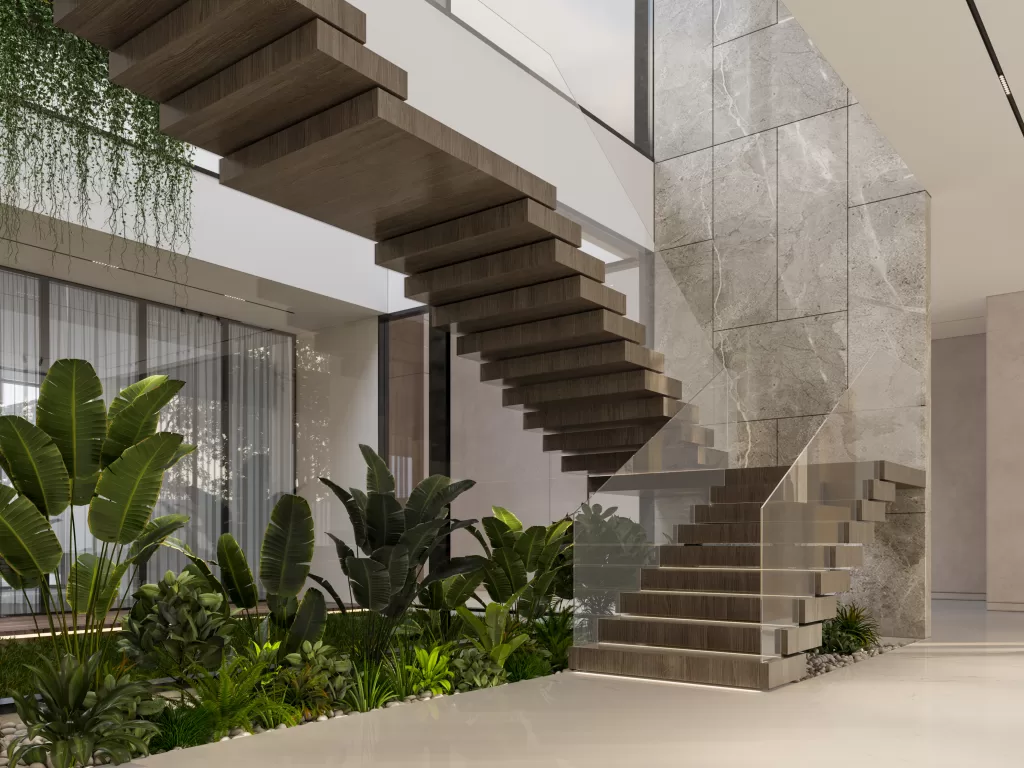
Not only do indoor plants improve a room’s overall beauty, but studies have also shown that they improve emotions, increase creativity, lower stress levels, and remove air pollutants, all of which contribute to a happier and healthier you. Indoor plants are an inexpensive decorating option that can improve our mood in addition to their aesthetic value.
Herbs, such as rosemary, basil, and chives, are the most popular indoor plants. Be sure to choose plants that are easy to care for, like plants that are allium (similar to a cactus), succulents, or ferns. These plants have low water needs and little to no pest problems.
The important thing to remember when growing your plants is that all plants require the same amount of care and love
3. Consider chic modest accessories.
In order to elevate the design, accessories are necessary. Any room, like your living room, is made more stylish and inviting by it.
With the correct accessories, a basic and unassuming space may be stylishly converted into a contemporary and elegant setting. Style, vogue, and personality are all reflected in accessories.
Don’t overdo it with the accessories if you want to stay inside your budget; keep them simple yet important and to the point.
A professional designer will understand precisely where it’s important to take the appropriate decorations and accessories into consideration.
4. Go wide with mirrors
Reflective mirrors will instantly enlarge and brighten a space, giving the impression that it is more expensive per square foot. We advise strategically placing mirrors in areas where ambient light can be reflected into a dark location in order to maximize this effect. It enables shifting views and observing what is behind us.
5. Add a pop of a color
Color is fantastic for changing the atmosphere of a room, whether you need to mute a color or add a vibrant color to liven up your area.
It doesn’t cost much to add a pop of color to a bland setting, but it makes a tremendous difference.
Cushions and curtains are both excellent methods to inject color into a space that is otherwise neutral and monotone. Additionally, you might embellish built-in bookcases with artwork, ornaments like vases and picture frames, fabric (or wallpaper, or paint), lights and chandeliers, etc.
6. Choose the right colors
Naturally, white is the natural option for expanding the appearance of a space. It goes without saying that light colors provide the appearance of a larger space, especially when the area is flooded with natural light. Additionally, it works in any style or type of room. White is a terrific color choice to start your decorating project.
Moreover, another choice is a light cool gray, that can feel airy and bright without being as stark as pure white. Cool colors assist visually imply more space since they feel lighter and more airy than warm hues. To create the impression of a warm, wide space in a room with moderate amounts of light, choose this color.
In contrast to the warmth that taupe would impart, a light gray maintains the space cold while adding the crisp and dazzling qualities that a bright white does, allowing light to reflect off the walls.
A building product is said to be made of durable material if it can survive use without significantly degrading and has the capacity to endure for a long time without suffering major damage. The appropriate materials are crucial for every building project, no matter how big or small. No matter how skillfully a building is constructed, using the incorrect materials can end badly. We should consider the demands of both the present and the future generations while designing and constructing buildings, striking a balance between a healthy structure and a healthy environment. However, we also need to realize that people live in a very fast-paced world where everything moves by so quickly that the idea of preservation often becomes more important than expansion. We need to start considering how people will inhabit our structures in 50, even 100 years. The best way to determine if a building material will be able to survive for a long time is to take the structure’s design into consideration. A design that encourages people to use every possible room in a building can prevent damage to the materials, as well as protect the environment. By minimally using harsh, non-renewable materials, we can protect the environment as well as the building materials themselves.
Difference between sustainability and durability:
Sustainability considers how something will affect people, the environment, and the economy. It is less concerned with how long something will endure and more concerned with the possible harm it could do to the environment, people, and business, meaning less waste to be dumped in landfills, less energy to be used, and less damage to the environment overall. A sustainable product is one that uses renewable resources, or ones that can be replenished.
Compared to durability, which is more focused on how long something will last than how it will affect the economy, society, and the environment overall.
In this post, we’ll discuss four examples of durable materials that we might use in construction and design.
1. Wood 2. Concrete 3. Brick 4. Steel 5 . Stone
1. Wood Material
Wood can absorb and release moisture, and it can withstand a variety of substances and environmental factors, such as corrosive salts, weak acids, industrial stack gasses, sea air, and significant temperature changes.
The use of wood in construction can lower maintenance and repair expenses in the future when combined with good envelope design. Additionally, good design makes sure that wood materials endure and hold up well in a variety of climatic conditions, including those with extreme heat, frequent sun, and torrential downpours.
2. Concrete dawood
While keeping the appropriate engineering qualities, concrete material can withstand abrasion, chemical attack, and weathering. In composite materials, concrete outperforms them in terms of strength and tensile stress recovery. It has good soil-contact weathering resistance and is often inexpensive to produce and dispose of. Currently, demand for concrete is higher than that for other materials like metal and
3. Brick
Bricks have many uses in architecture, and their significance in architectural design is well known. Brick walls have developed into many different designs to enhance the building’s outside both aesthetically and functionally. In some situations, these walls may also double as roadway barriers or fire stops. Brick walls are the ideal choice for an architectural wall due to their sturdy nature.
4. Steel
Steel is one of the most durable materials. After more than a century under the earth, steel piles that were removed from a region with a high water table were discovered to be suitable for reusing. Steel is extremely resistant to accidental damage because it is both strong and ductile. Steel is also naturally resistant to rust. Because of its chemical makeup, steel will have no smell if it’s processed in the right way.
5. Stone
Slate, limestone, travertine, and granite are just a few examples of stones that will age gracefully and attractively, offering years of use and delight. Some stones can be placed in humid, damp conditions, which makes them more durable, while others need to be placed in a dry area.
We tend to focus on this point of choosing durable materials in construction as they help the environment in preserving resources, minimizing waste, and minimizing the environmental effects of repair and replacement. The manufacture of replacement building materials depletes natural resources and has the potential to pollute the air and water.
For a more sustainable future, it will increase the building’s lifespan, protect the aesthetic design, and surely, lessen its environmental impact. The diverse needs for residential units require specialized materials that are versatile and produce less waste. The diverse needs for residential units require specialized materials that are versatile and produce less waste
Bathrooms play an important role in the functionality of the house. ” I like to think that bathrooms are the heart of the home, the most intimate rooms in the house,” says Laurie Pressman, vice president of the Pantone Color Institute. ” Everything you do in that space has to be done right.”
A bathroom is a private place where you can relax after a long day, take a warm shower, and push the stress out. Sometimes, bathrooms have limited spaces, and if designed badly, it could lead to an uncomfortable and wasted area.
A limited-space bathroom can be as glamorous as the big one; only if designed well, taking into consideration smart storage, the right lighting, a relaxing color palette, and other unique features.
There are plenty of ways to make the most of your limited bathroom space; in this article, we are going to mention some of the most important.
Six ideas for small bathrooms:
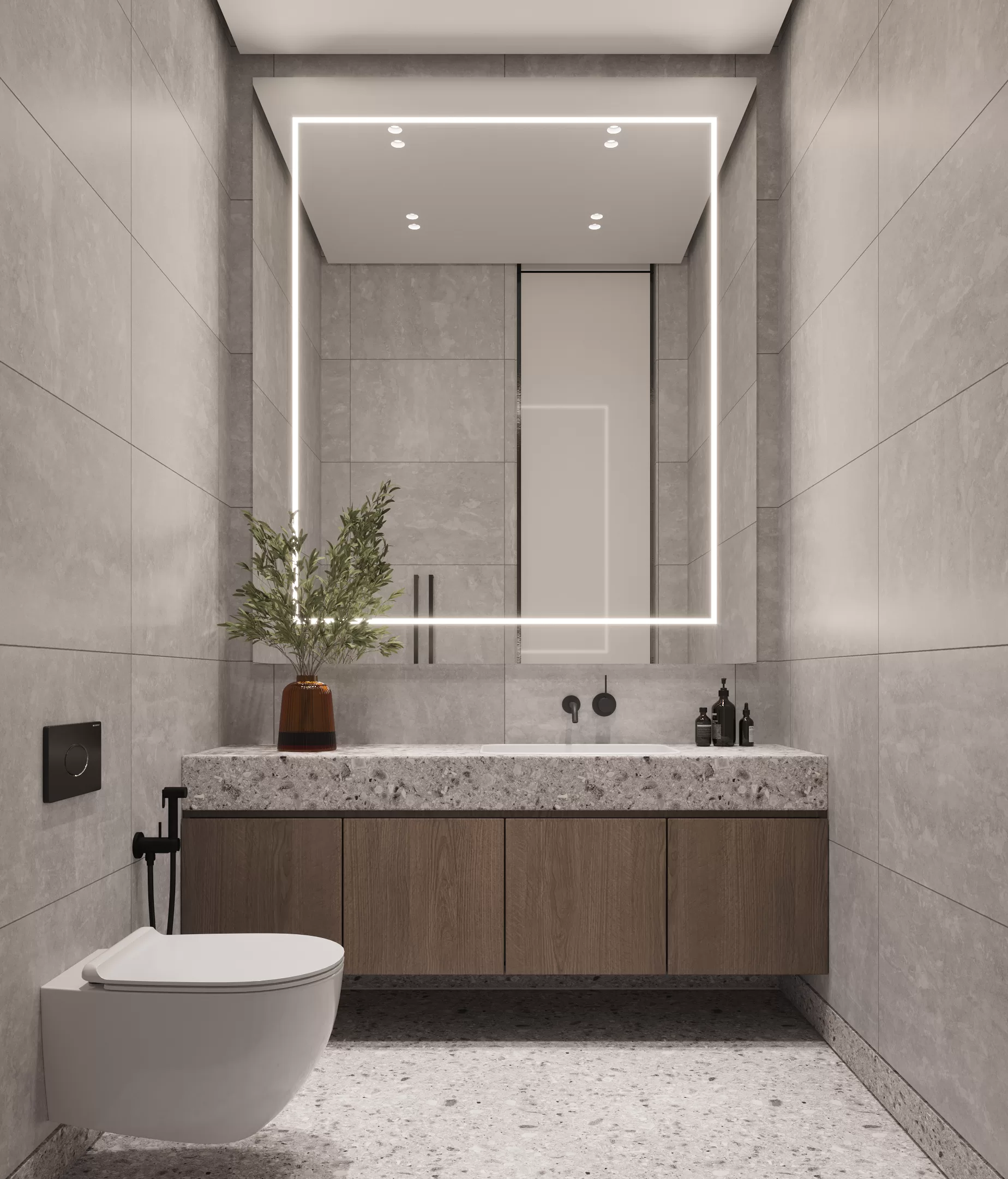
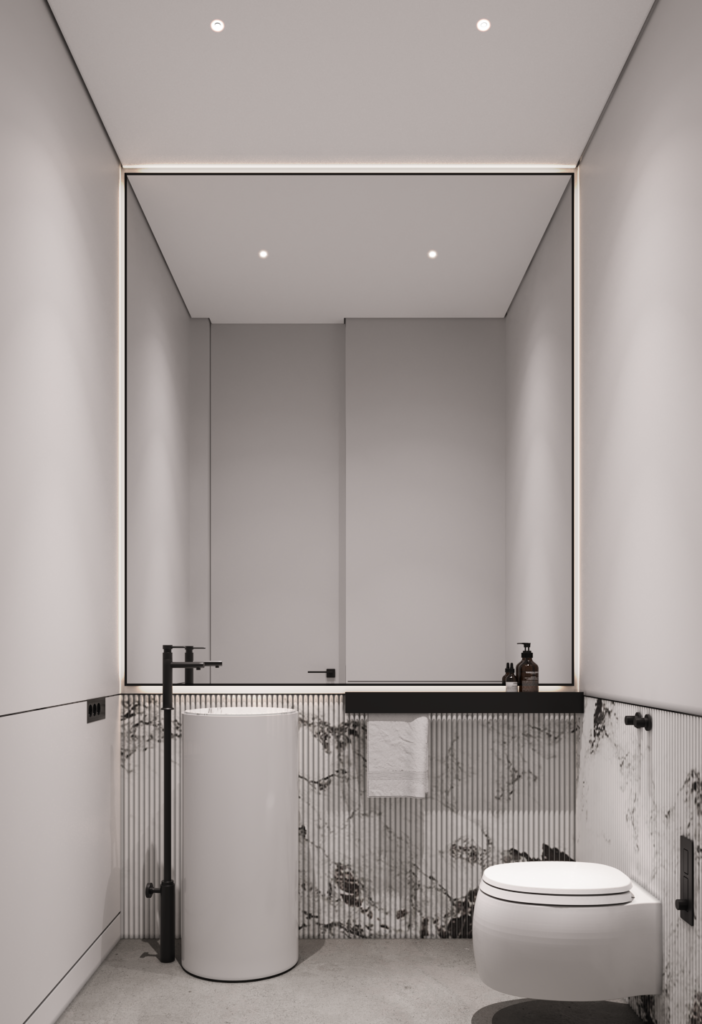
1. Use mirrors to widen the space
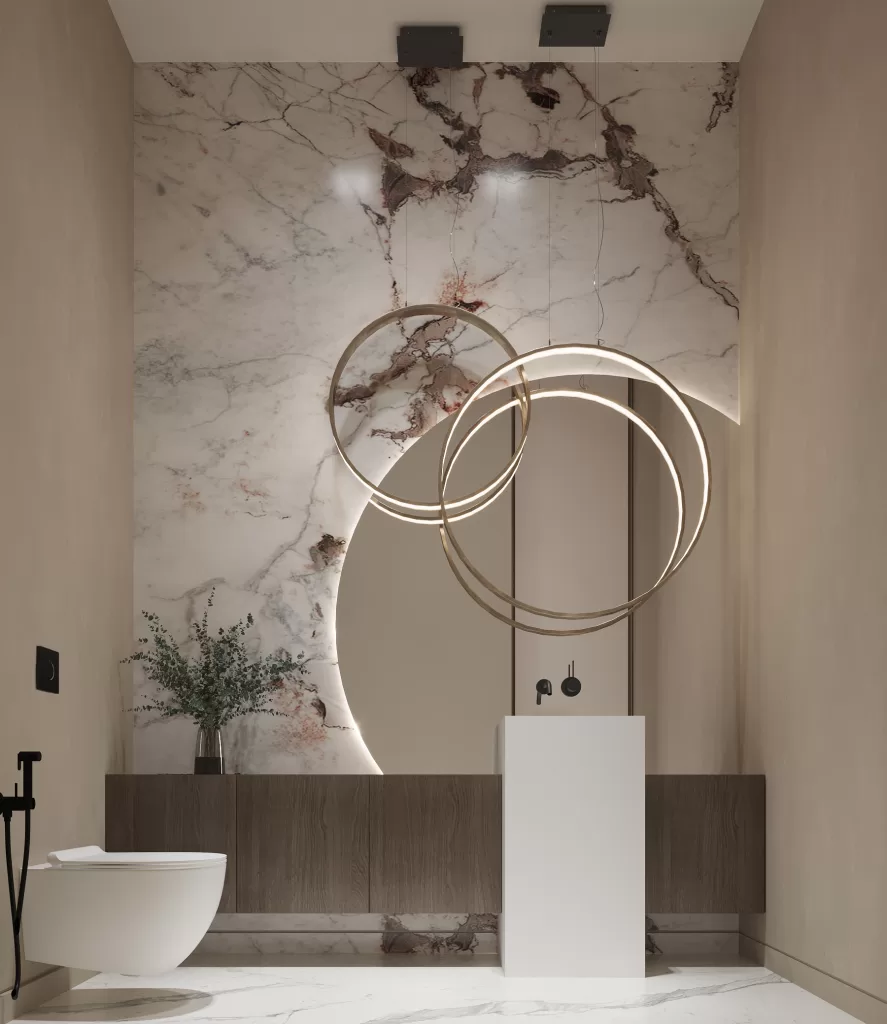
Bathroom mirrors are essential for grooming, dressing up, and checking your appearance, but their significance extends far further. A mirror is a terrific addition to your bathroom that goes above and beyond its practical use, as it can provide the appearance of additional space, add light and style, and conceal storage space.
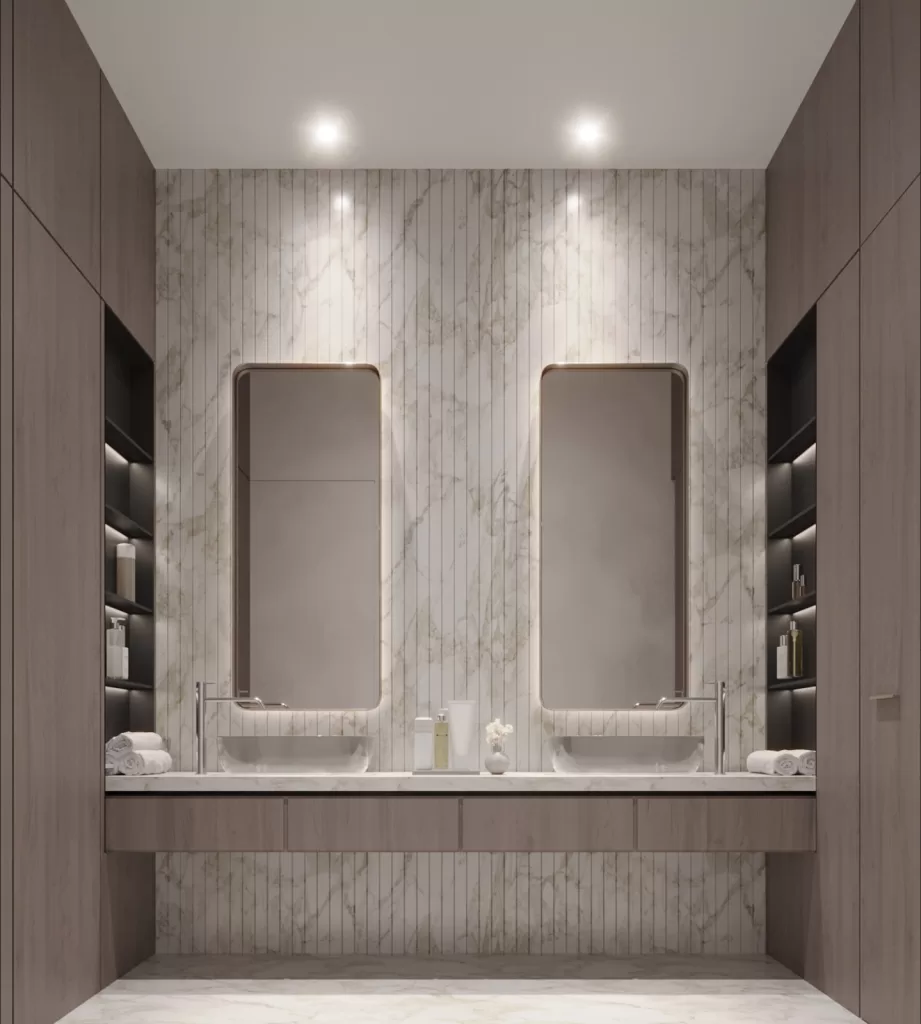
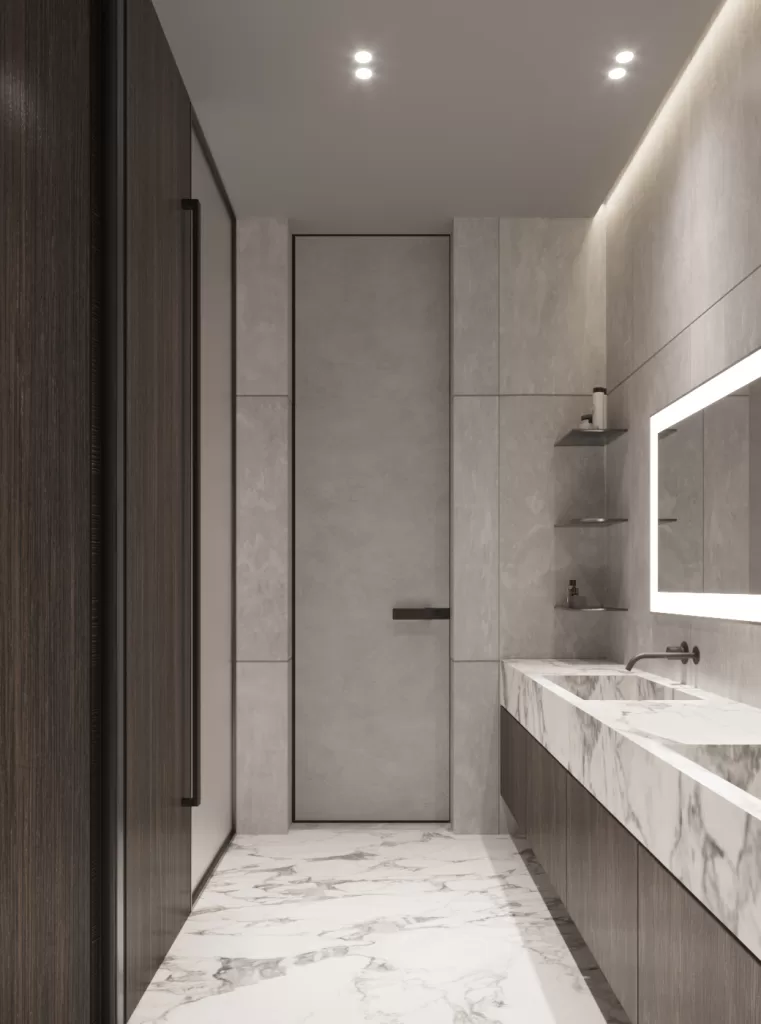
Mirrors are the number one tip in interior design to make an area brighten. Hang one large mirror or two mirrors over the bathroom basin, to bounce the natural light around the room and make the whole space feel larger.
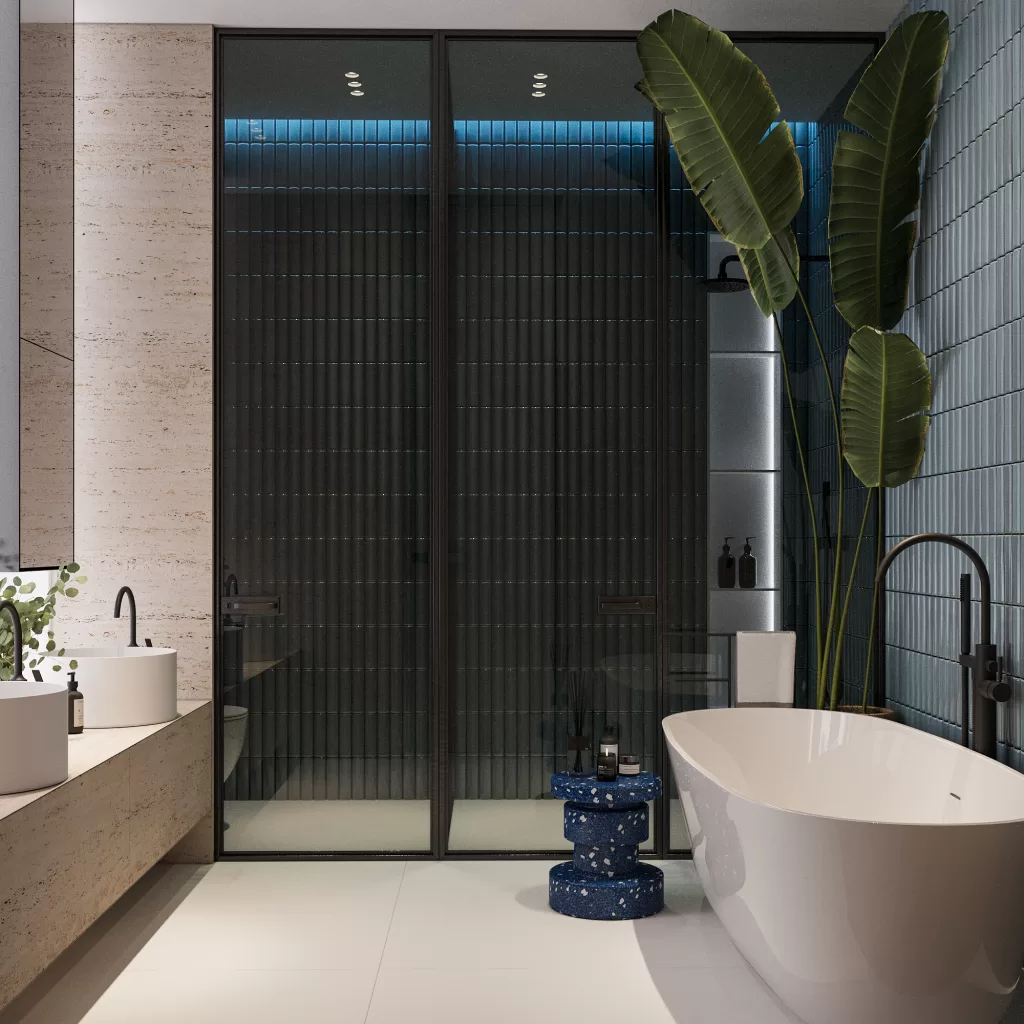
2. Use glass doors:
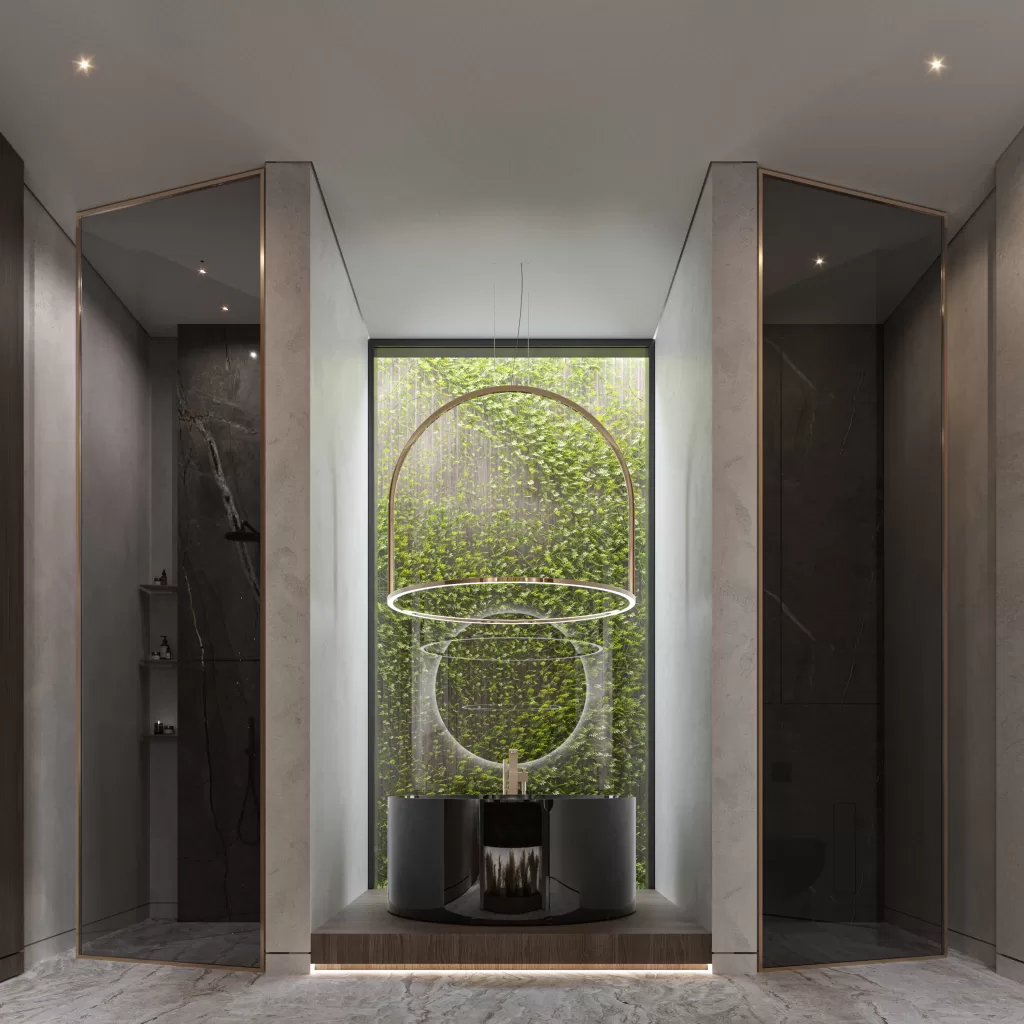
A clear glass door rather than a curtain or a solid one widens the space and makes it feel less restricted, in addition to a more aesthetic and neat appeal. Glass does not have to be completely transparent, there are a wide variety of glass finishes, such as frosted and black glass. However, it is important that your glass door is treated properly to avoid scratches or discoloration. Mold, mildew and stain can also occur on glass doors over time, so it is better to clean and maintain them frequently.
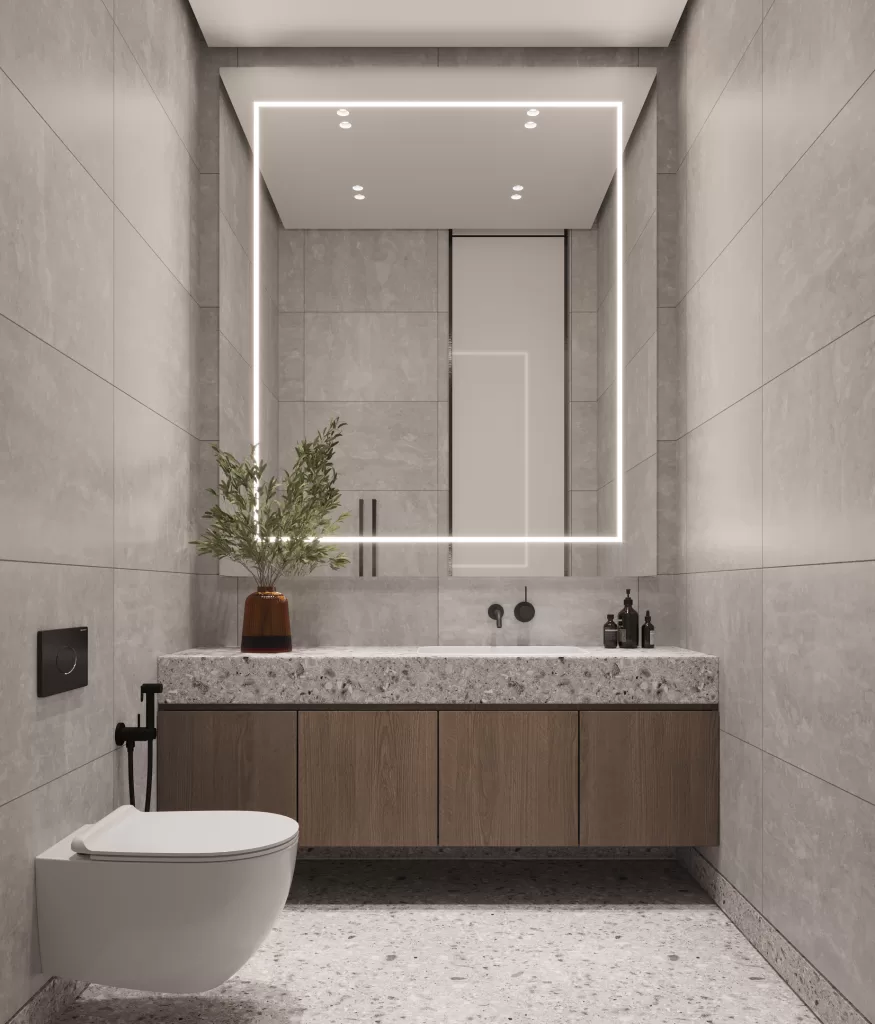
3. Choose a floating cabinet:
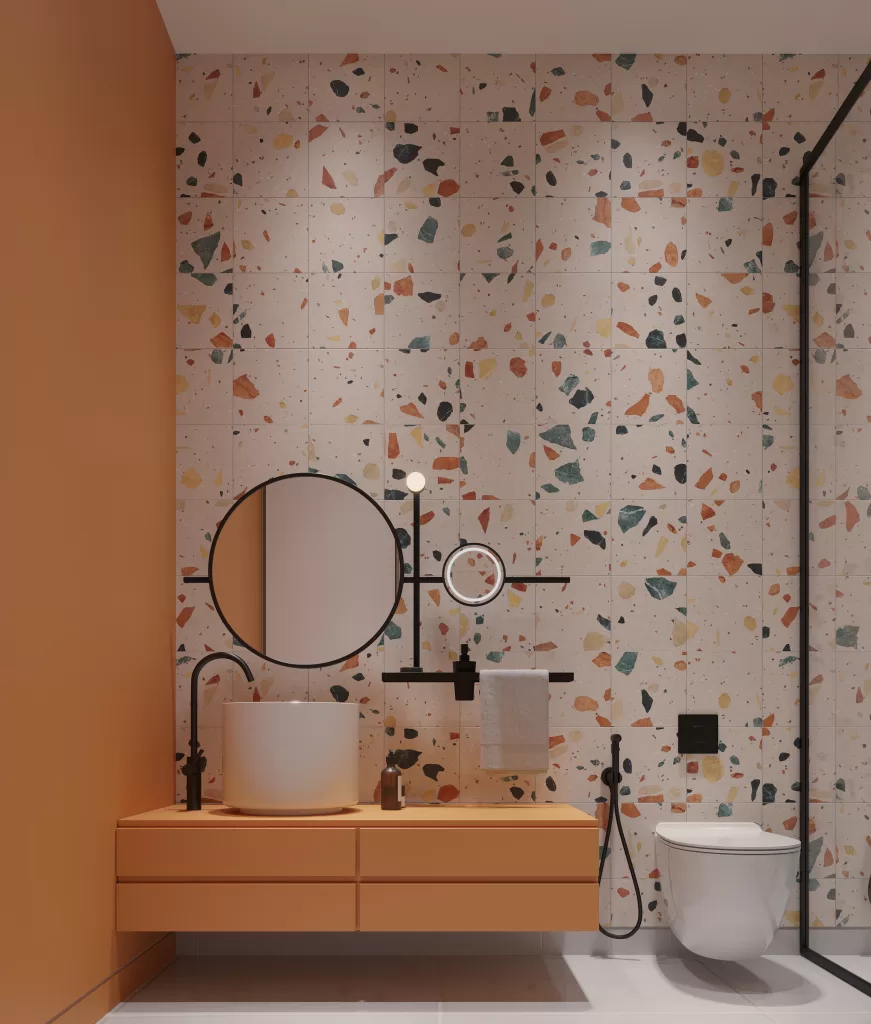
wall-mounted vanities float above the ground, so instead of extending all the way to the bottom of the floor, they rest slightly above it. This helps a lot in small-sized bathrooms. It helps the space to seem less restricted and less boxed-in, especially when used as a storage to keep all needed stuff inside and keep the bathroom neat and clean.
4. Include a freestanding bathtub:
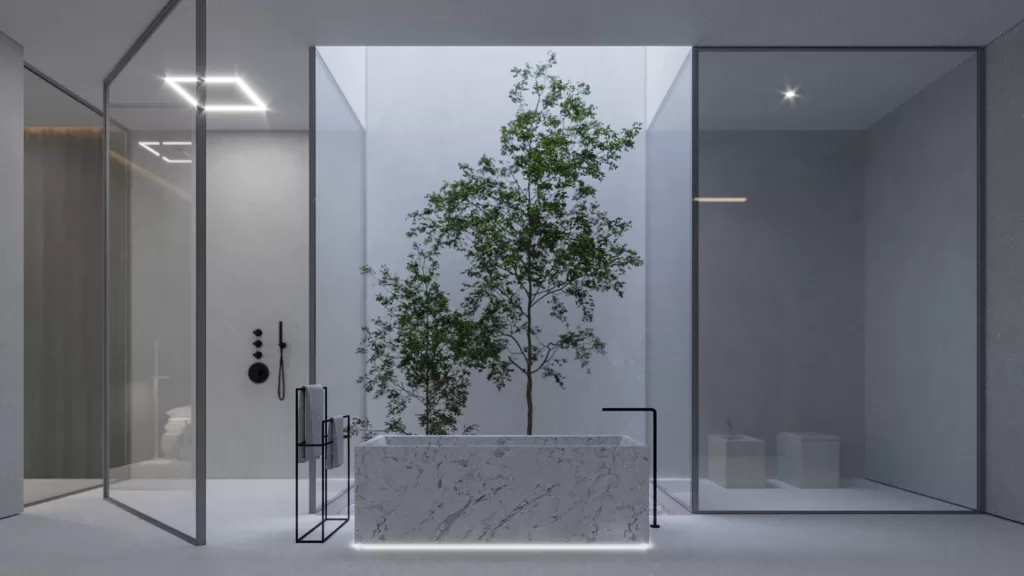
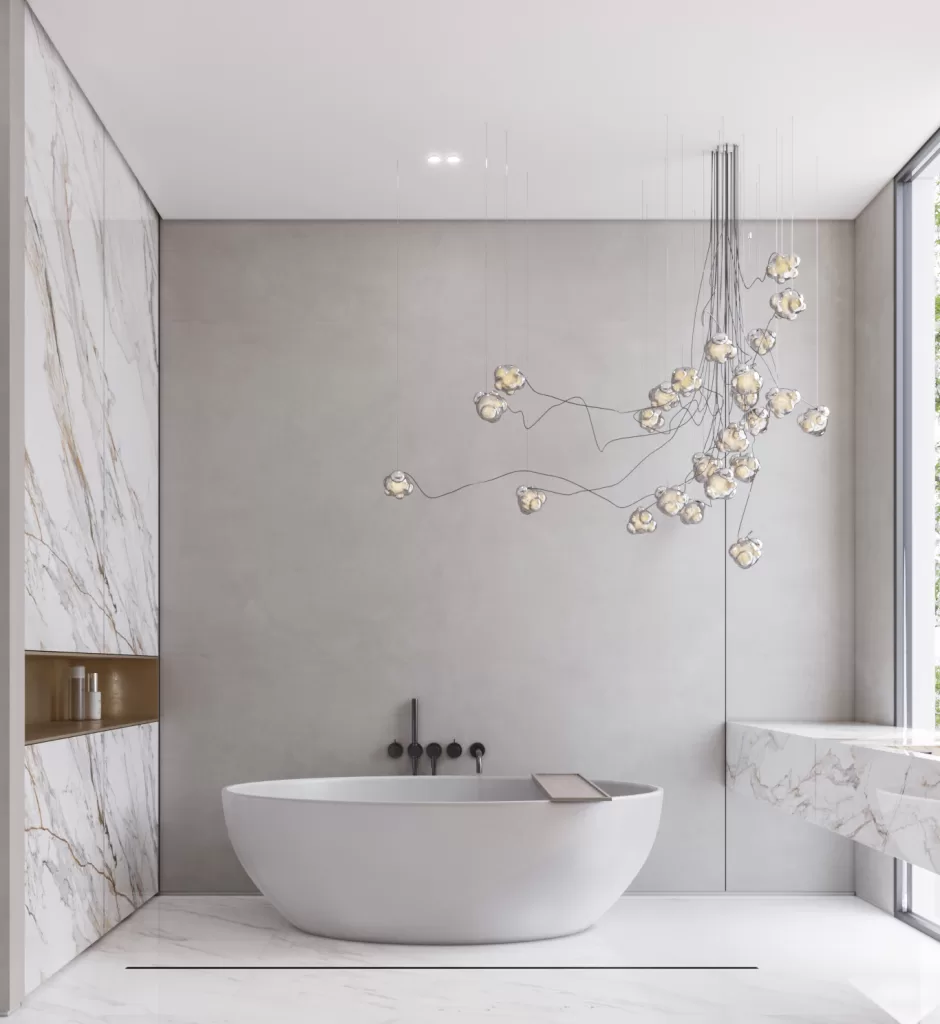
A freestanding tub is a bathtub with all four sides exposed that sits directly on your bathroom floor. It’s a great idea for a limited space bathroom for its flexibility and beautiful look.
Freestanding bathtubs allow you to use your space more creatively. You can place them beside a window sheet, or in the middle of the bathroom, no restrictions!
While built-in tubs may need two or more walls for their installation.The window sheet facing the freestanding bathtub allows the place to feel like a relaxing spa, with endless views and natural light
5. Play with lights!
Mixing upper and lowerlights, hidden and feature lights, wall and ceiling lights, in addition toconsidering natural light artificially, can make the best out of your smallbathrooms.
Light and bright walls are more reflective, making a space feel open and airy. However, dark colors and lack of light make the space look smaller by absorbing light.
6. Consider special design for your kids
Kids’ bathrooms should be functional and fun all at once! It needs to be easy to use, and it must be designed as a safe space your children can grow and mature into. Having a limited space is a bit tricky, but with a creative design, the child would definitely find it fun and catchy, especially when considering his favorite colors!
Finally, It seems like everyone wants a bigger bathroom. However, people frequently require substantially adjusting the house.
The bathroom in your home doesn’t have to appear small, even if it is little. Without moving a single wall or building an addition, you can remodel or replace a few things to give the appearance of a larger bathroom.
One of the trickier rooms to decorate is a small bathroom because of the little amount of space available, the limited amount of natural light, and the quantity of fixtures that must fit. But when done properly, the space can appear lighter and larger.
These above-mentioned ideas show that daring design elements may fit well in even the smallest spaces, going beyond simply maximizing the usable square footage.